
Van Gogh Style AI Art: Swirling Strokes and Bold Color in One Click
Look at the original Van Gogh paintings first, then take prompts that work. Pets, landscapes, night streets and wallpapers can all get thick, swirling Van Gogh style brushwork.
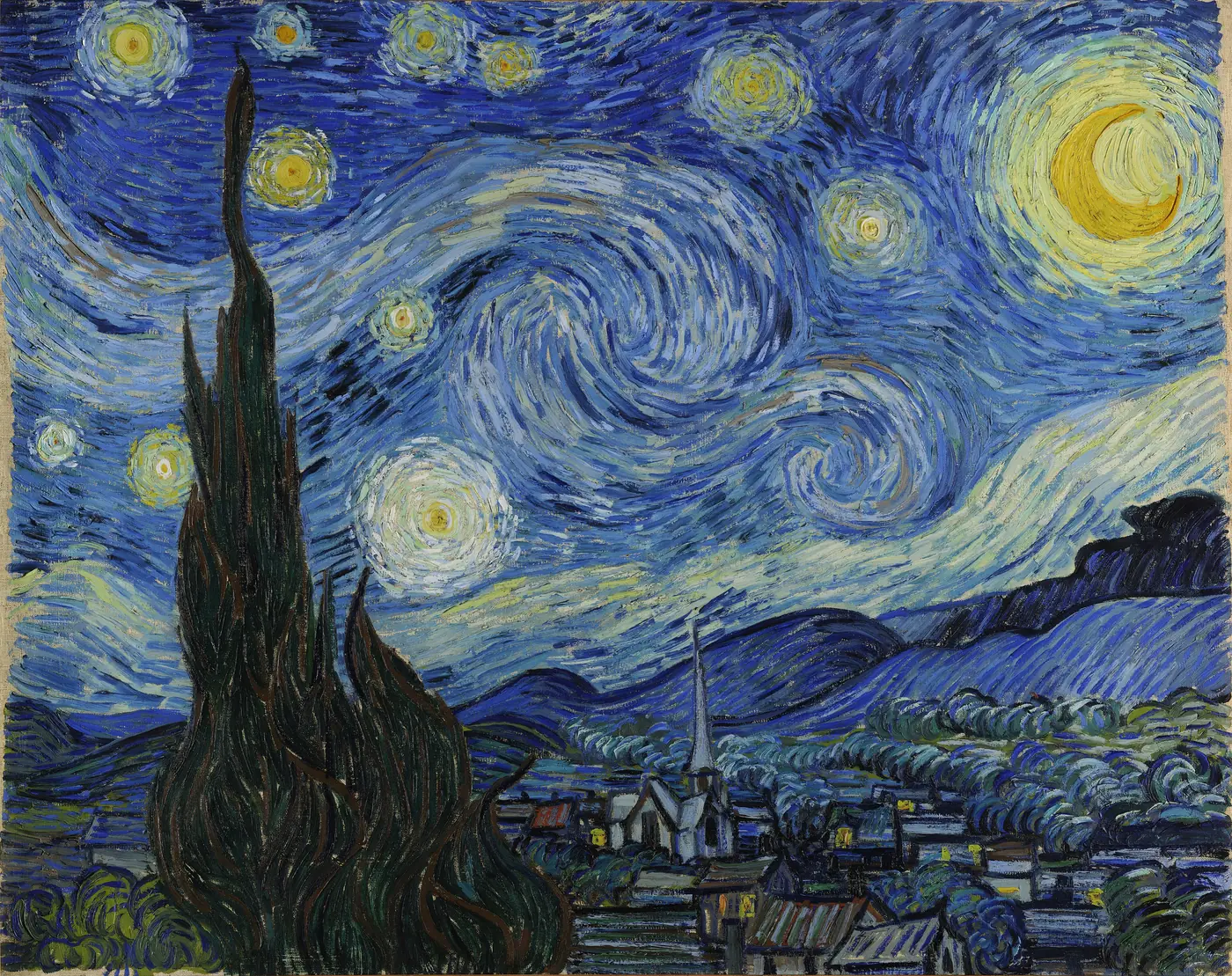
The Starry Night · Vincent van Gogh · 1889
Public-domain original · Public domain · The Museum of Modern Art, New York (via Wikimedia Commons) · Source
What Is the Van Gogh Style?
The Van Gogh style is the way Vincent van Gogh painted after 1886: short, directional brushstrokes laid side by side, paint thick enough to show every ridge of the brush, and skies, wheat fields and cypress trees that seem to move. Van Gogh liked to set blues against yellows and oranges so the complementary colors push each other to full strength, which is why his canvases feel bright and emotional at the same time.
To get a convincing Van Gogh style image from an AI generator, writing "like Van Gogh" is not enough. Describe what you can actually see in the paintings: the shape of the strokes, the thickness of the paint, the main colors and the composition. Below you can study the originals, read the traits that define the Van Gogh style, and copy prompts that already include those cues.
Van Gogh Style Reference: Four Original Paintings
Every painting on this page is in the public domain; the images come from museum open-access collections (CC0) or Wikimedia Commons. The AI makes new images in the style, not copies of the originals.
The Starry Night · Vincent van Gogh · 1889
Painted in 1889 while Van Gogh was staying at the asylum in Saint-Rémy. Notice the coiling strokes in the sky and the cypress rising like a flame; this moving night sky is the most recognizable Van Gogh style motif.
Public-domain original · Public domain · The Museum of Modern Art, New York (via Wikimedia Commons) · Source
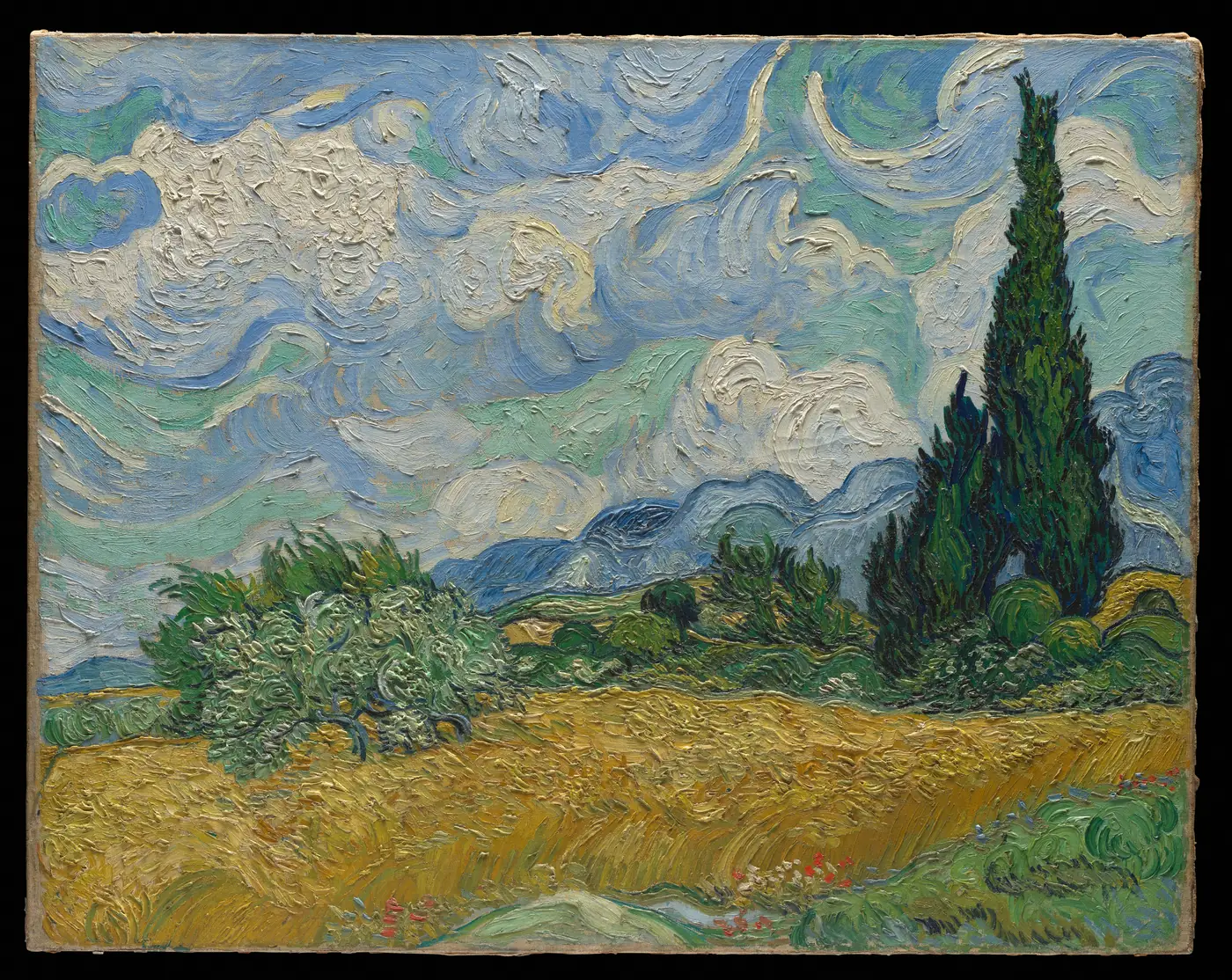
Wheat Field with Cypresses · Vincent van Gogh · 1889
Also from 1889. The wheat, clouds and cypresses are all built from curved, short strokes in yellow-green, blue and white, which makes it the best reference for a Van Gogh style landscape.
Public-domain original · CC0 public domain · The Metropolitan Museum of Art, Purchase, The Annenberg Foundation Gift, 1993 · Source
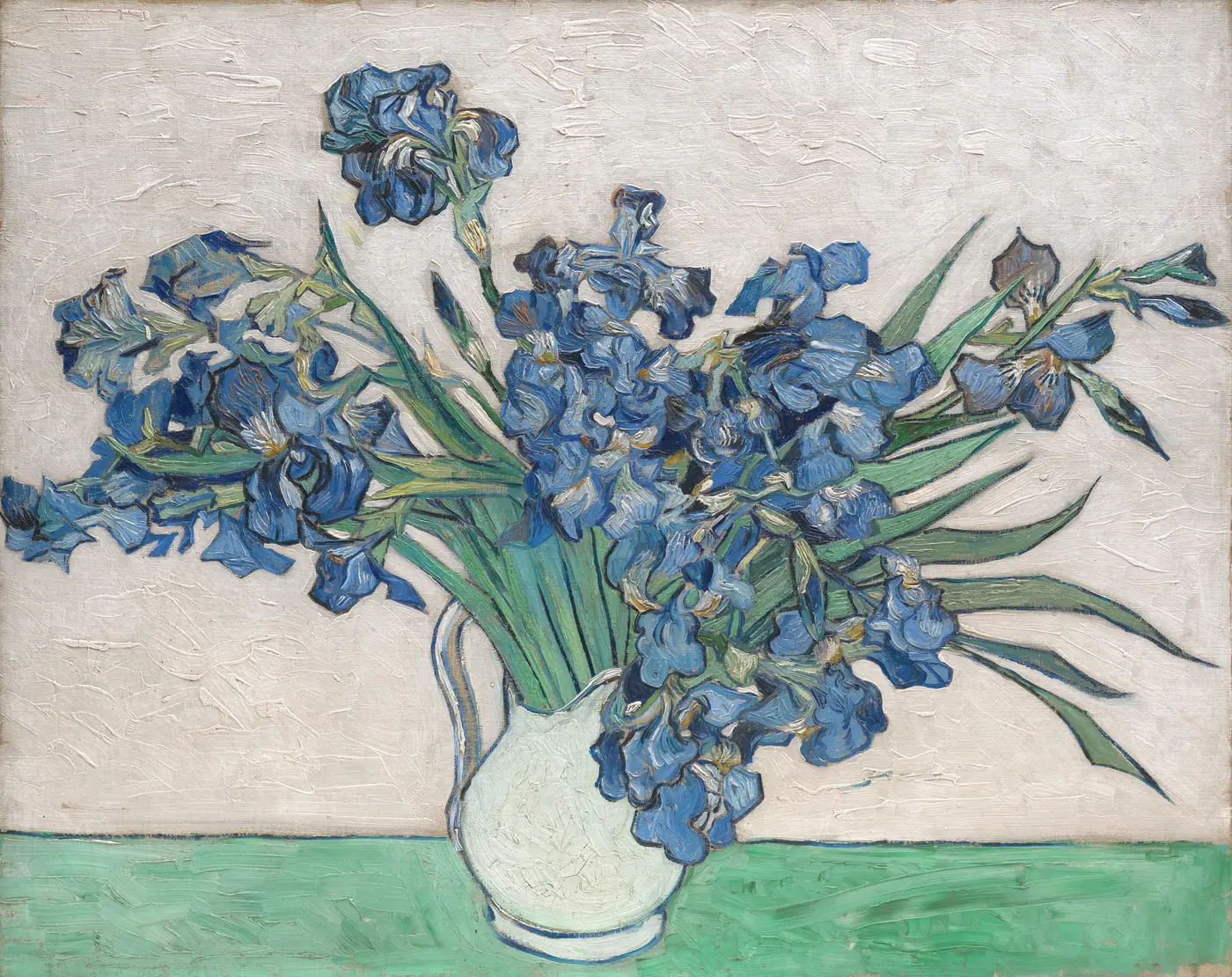
Irises · Vincent van Gogh · 1890
A still life from 1890. The irises fill the whole canvas; petals and leaves are outlined in dark paint and then filled with thick color, an approach that works well for flower and product images.
Public-domain original · CC0 public domain · The Metropolitan Museum of Art, Gift of Adele R. Levy, 1958 · Source
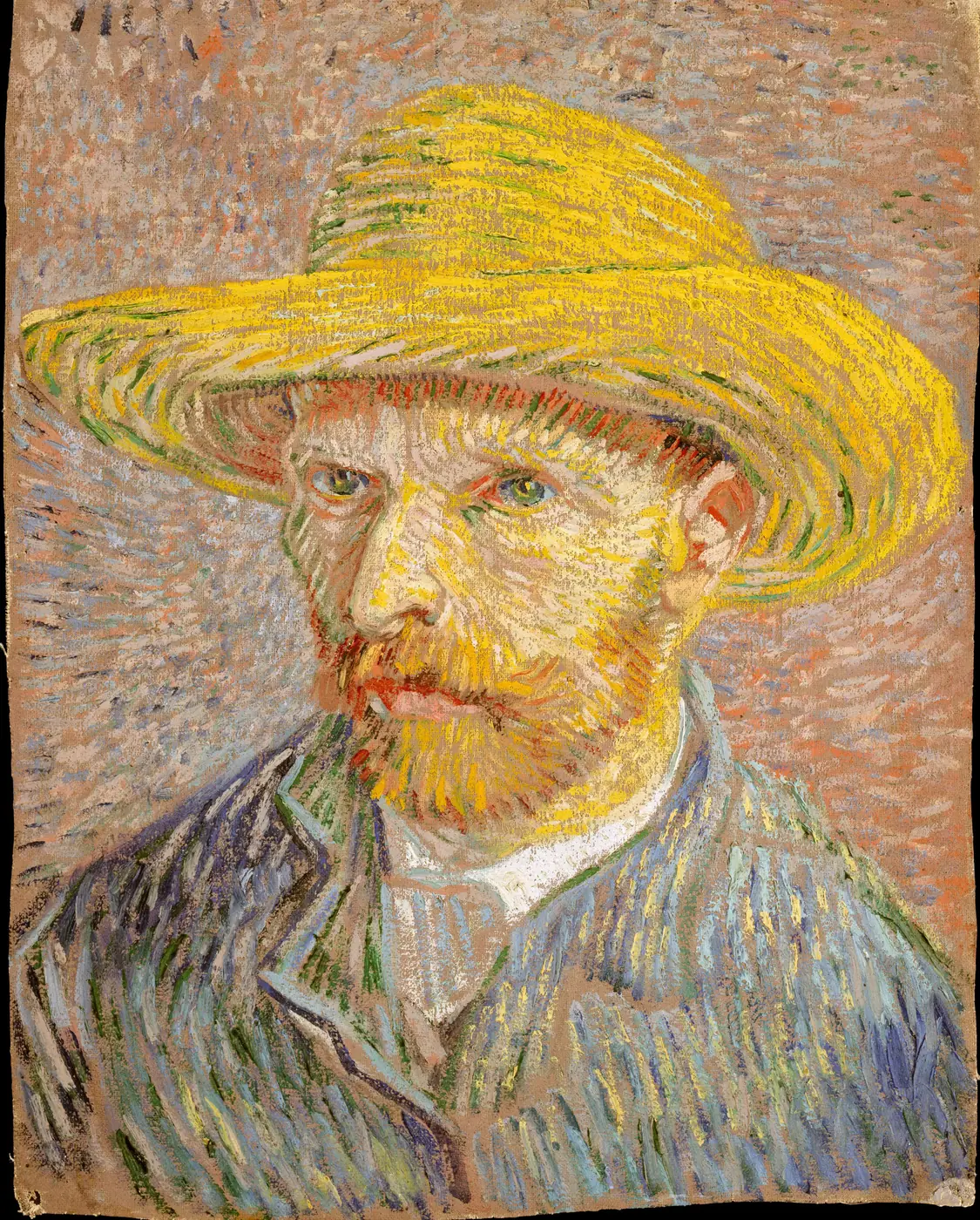
Self-Portrait with a Straw Hat · Vincent van Gogh · 1887
A self-portrait from the Paris period, 1887. The face and background are made of parallel dashes of color, showing how Van Gogh absorbed Neo-Impressionist ideas before his mature style. Use it as a portrait reference.
Public-domain original · CC0 public domain · The Metropolitan Museum of Art, Bequest of Miss Adelaide Milton de Groot (1876-1967), 1967 · Source
Four Traits That Define the Van Gogh Style
Directional brushstrokes
Every stroke follows the form: skies swirl, fields roll and cypresses climb. In a prompt, "short directional brushstrokes" and "swirling sky" do far more than the word "oil painting" alone.
Thick impasto paint
Van Gogh often applied paint straight and heavy, so ridges and brush marks catch the light. Add "impasto, visible brush texture, canvas grain" to give the image a hand-painted weight.
Complementary color
Blue against yellow and blue against orange carry the Van Gogh style. Night scenes pair deep blue with lemon-yellow stars and lamps; daytime landscapes use bright yellow-green against sky blue.
Outlines and simplified forms
Van Gogh collected and copied Japanese woodblock prints. Objects often get dark contour lines, perspective is flattened and shapes are slightly distorted, which gives the picture rhythm and a graphic feel.
Van Gogh Style AI Prompts to Copy
Each prompt names a subject, the brushwork, the paint and the palette; press Generate to open it in the studio, or swap in your own subject.
Pet portrait
Portrait of a ginger cat sitting on a blue wooden chair in the style of Vincent van Gogh, swirling starry background, thick impasto oil paint, short directional brushstrokes, cobalt blue and chrome yellow complementary palette
Night street
Corner cafe on a city street at night, Van Gogh style, warm yellow lamplight spilling over cobblestones, deep blue sky full of swirling stars, thick paint with visible brush texture, strong blue and yellow contrast
Phone wallpaper
Vertical phone wallpaper in Van Gogh style, rolling golden wheat field with one dark green cypress tree, sky of curling white clouds and short blue strokes, impasto oil painting, bright saturated color
Flower still life
Still life of sunflowers in a clay jug, Van Gogh style, lemon yellow background, petals outlined in dark paint, heavy layered impasto, short strokes, warm afternoon light, oil on canvas texture
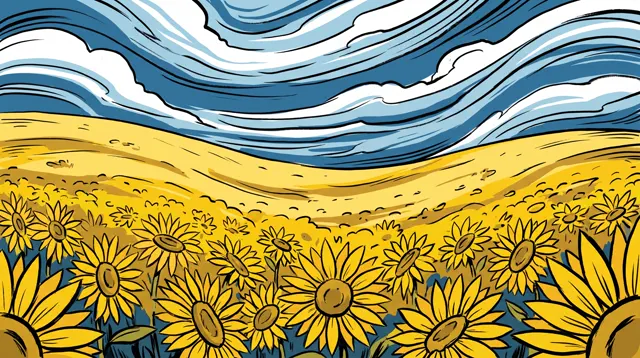
Images we made in a similar style
These are new AI images, not the originals. Open one to see its full prompt and make your own.
How to Make Van Gogh Style Images in Three Steps
- 1
Pick a reference painting
Decide whether you want the night sky of The Starry Night or the bright daylight of Wheat Field with Cypresses, then note the strokes and colors that go with it.
- 2
Write subject plus style cues
Use the order subject, setting, Van Gogh style, brushwork, paint and palette, or copy one of the prompts above and press Generate to open it in the studio.
- 3
Start from a photo
To turn your own photo into a Van Gogh style painting, upload it as a reference image in the studio and add the style cues. The composition stays close to your photo while the brushwork changes.
Van Gogh and How His Style Developed
Vincent van Gogh (1853–1890) was born in the Netherlands and decided to become an artist around 1880. His early work was dark and earthy. After moving to Paris in 1886 he met Impressionist and Neo-Impressionist painting and collected Japanese prints, and his palette brightened quickly; Self-Portrait with a Straw Hat comes from this period.
In 1888 Van Gogh moved to Arles in the south of France, and in 1889 he entered the asylum at Saint-Rémy, where he painted The Starry Night and Wheat Field with Cypresses. He died in Auvers-sur-Oise in July 1890, having sold very little in his lifetime, yet his work went on to shape Expressionism. What people now call the Van Gogh style is mostly the manner he developed in those last years in the south.
Van Gogh Style AI Art FAQ
Is it legal to generate images in the Van Gogh style?
Yes. Van Gogh died in 1890, so his paintings are in the public domain, and the originals on this page come from museum open-access collections. A style itself cannot be owned by anyone. Just don't present a generated image as a genuine Van Gogh painting. Images made on a paid plan can be used commercially.
Is "Van Gogh style" enough on its own as a prompt?
It works, but results can look flat. Add three kinds of detail: brushwork (swirling, short directional strokes), material (impasto, visible brush marks) and palette (blue and yellow complementaries). The more specific the subject, the more consistent the output.
Can I turn my own photo into a Van Gogh painting?
Yes. Upload your photo as a reference image in the studio (image-to-image) and write something like "repaint this photo as a Van Gogh style oil painting, impasto, swirling strokes, blue and yellow palette." The pose of the person or pet is kept as closely as possible.
How is the Van Gogh style different from Monet?
Monet cared about how light looked at one moment, with loose, light strokes. Van Gogh is more personal: strokes have a clear direction and rhythm, the paint is thicker, the color stronger and the mood more openly emotional. Choose Monet for calm light, Van Gogh for movement and tension.
More AI art styles
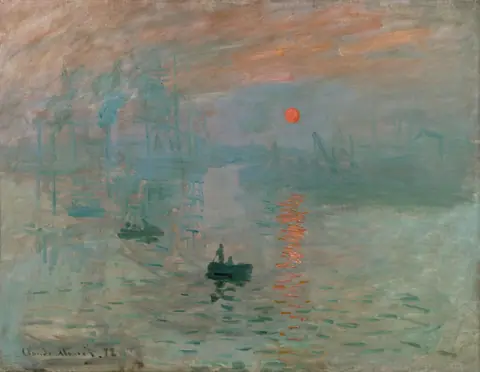
Monet Style
Broken brushwork that catches light, soft color, reflections on water
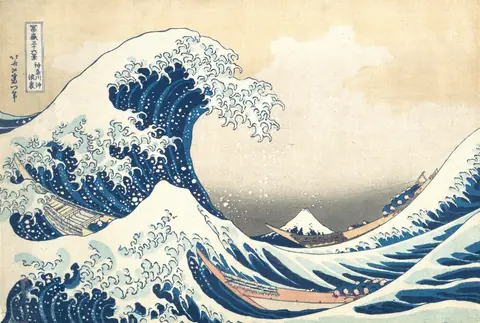
Ukiyo-e Style
Flat woodblock color, crisp outlines and Prussian blue
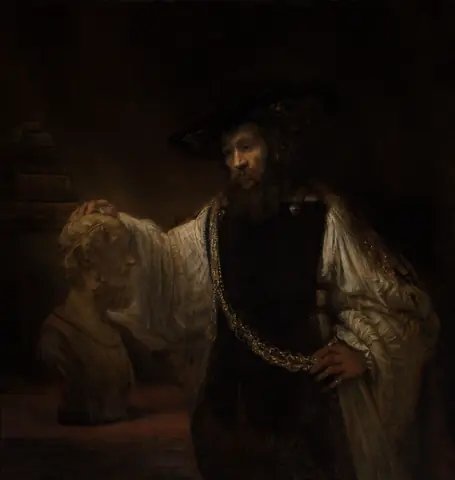
Rembrandt Lighting
One side light in a dark room and a triangle of light on the cheek
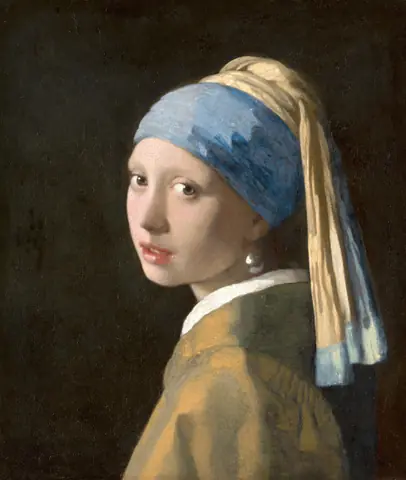
Vermeer Style
Soft window light, quiet interiors and pearl-like highlights
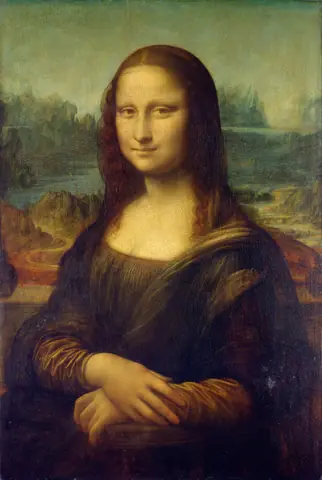
Renaissance Painting Style
Sfumato softness, balanced composition and classical figures
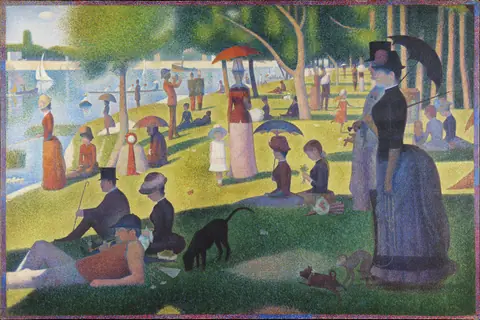
Pointillism
Images built from tiny dots of pure color that blend at a distance
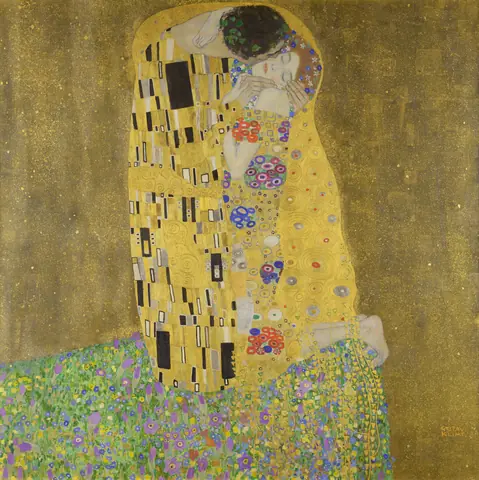
Klimt Style
Gold leaf, ornamental patterns and flattened, opulent figures
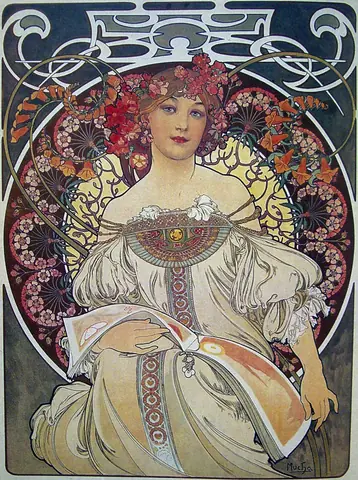
Mucha Style
Art Nouveau curves, halo circles and floral ornamental frames
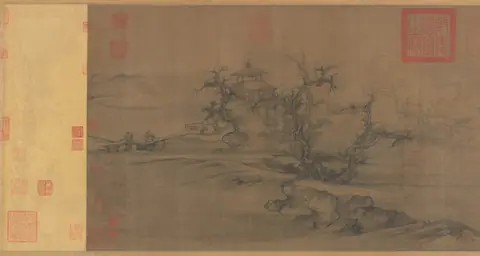
Chinese Landscape Painting
Ink texture strokes, layered distance and generous empty space
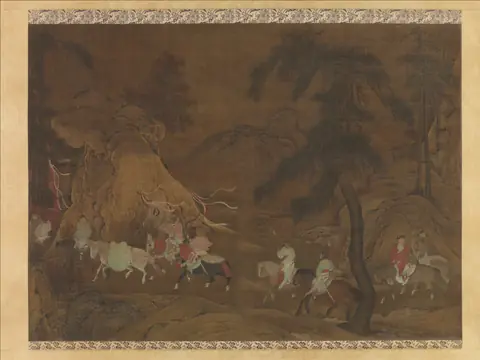
Blue-Green Landscape
Mineral blues and greens over gold-outlined, stacked peaks
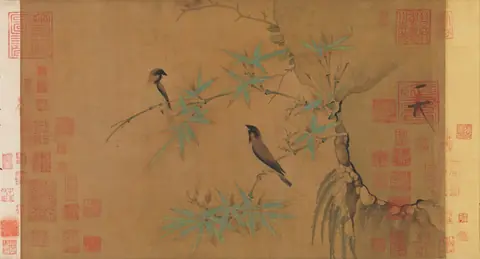
Gongbi Bird-and-Flower Painting
Hair-fine line work, layered washes and the feel of silk
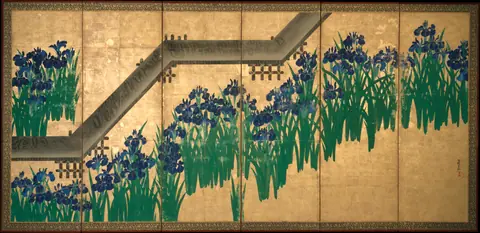
Rinpa Style
Gold-leaf grounds, bold flat shapes and repeated motifs
Van Gogh Style pricing: pay per image, no subscription
Taster pack · 15 HD images
150 credits that never expire. No subscription, one per account.