
Ukiyo-e AI Art: Flat Color and Woodblock Outlines
Crisp ink outlines, flat areas of color and blue skies that fade from deep to pale are the clearest signs of ukiyo-e. See prints by Hokusai and Hiroshige, then generate illustrations, wallpapers and posters with the prompts.
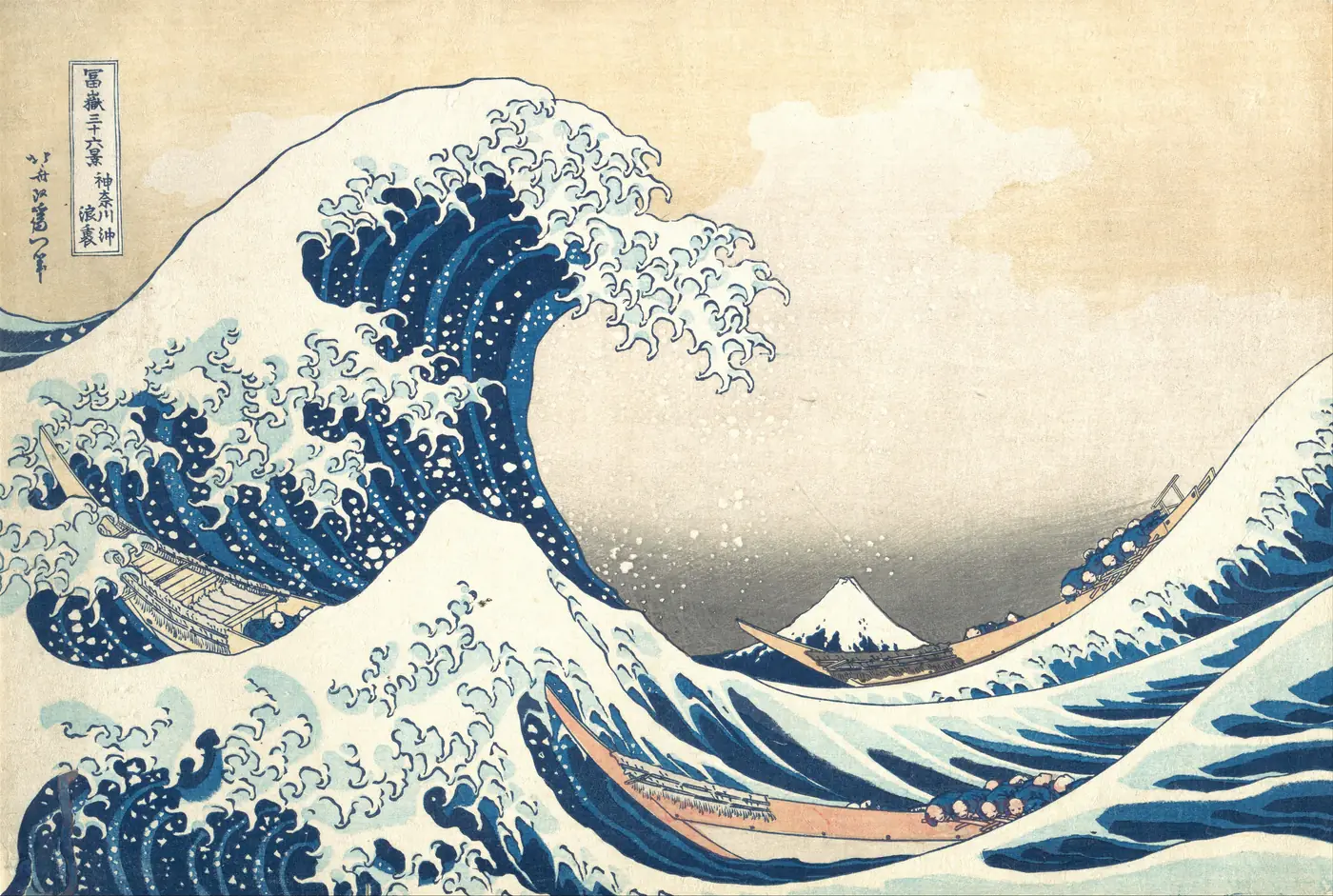
The Great Wave off Kanagawa · Katsushika Hokusai · ca. 1830–32
Public-domain original · CC0 public domain · The Metropolitan Museum of Art, H. O. Havemeyer Collection, Bequest of Mrs. H. O. Havemeyer, 1929 · Source
What Is Ukiyo-e?
Ukiyo-e, “pictures of the floating world”, were woodblock prints and paintings popular in Japan during the Edo period (1603–1868). Their subjects were city pleasures, kabuki actors, beautiful women and, later, famous landscapes. Each print was a team effort: a designer drew the image, a carver cut it into wooden blocks, and a printer printed one color at a time, one block per color. That is why ukiyo-e is built from clean outlines and flat areas of color, with almost none of the light-and-shadow modeling of Western oil painting.
When people ask for ukiyo-e today they usually mean the landscape prints of Katsushika Hokusai and Utagawa Hiroshige: huge waves, Mount Fuji, travelers caught in rain, villages under snow. To get an ukiyo-e look from an AI image generator, name the woodblock print, the ink outlines that vary in thickness, the flat color, Prussian blue and washi paper texture. With those cues a city street, a pet or a phone wallpaper can take on the look of an Edo-period print.
Ukiyo-e Originals by Hokusai and Hiroshige
Every painting on this page is in the public domain; the images come from museum open-access collections (CC0) or Wikimedia Commons. The AI makes new images in the style, not copies of the originals.
The Great Wave off Kanagawa · Katsushika Hokusai · ca. 1830–32
The crest curls like a claw while Mount Fuji sits small in the distance, and that contrast in scale creates the tension. Notice the heavy use of Prussian blue and how the foam is drawn with flat shapes and lines instead of light and shadow.
Public-domain original · CC0 public domain · The Metropolitan Museum of Art, H. O. Havemeyer Collection, Bequest of Mrs. H. O. Havemeyer, 1929 · Source
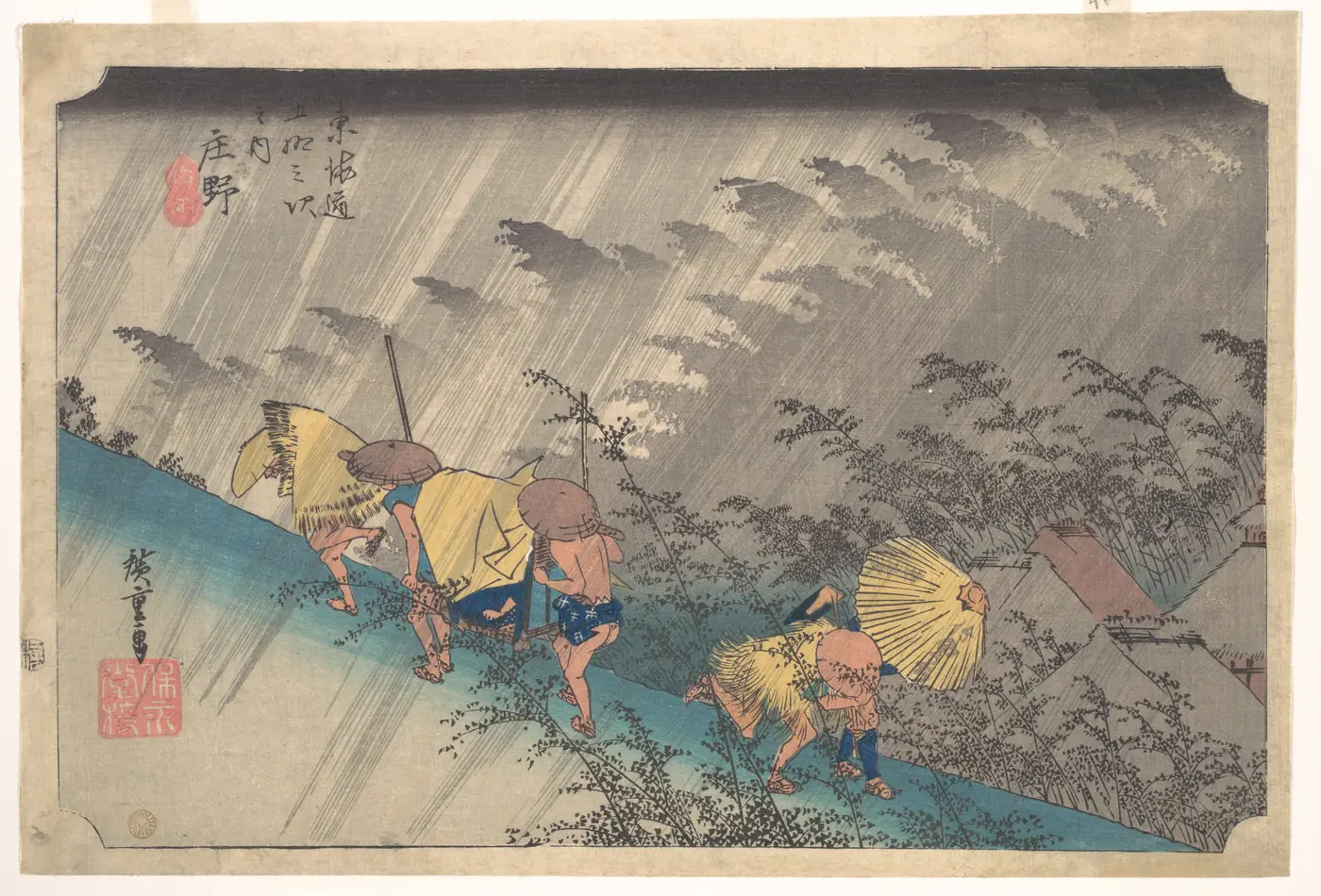
Sudden Shower at Shōno · Utagawa Hiroshige · 1834–35
The rain is cut as straight slanting lines, the bamboo bends into layered gray silhouettes, and travelers and bearers rush down the slope. Ukiyo-e shows weather through line and layering, not blur.
Public-domain original · CC0 public domain · The Metropolitan Museum of Art, Rogers Fund, 1914 · Source
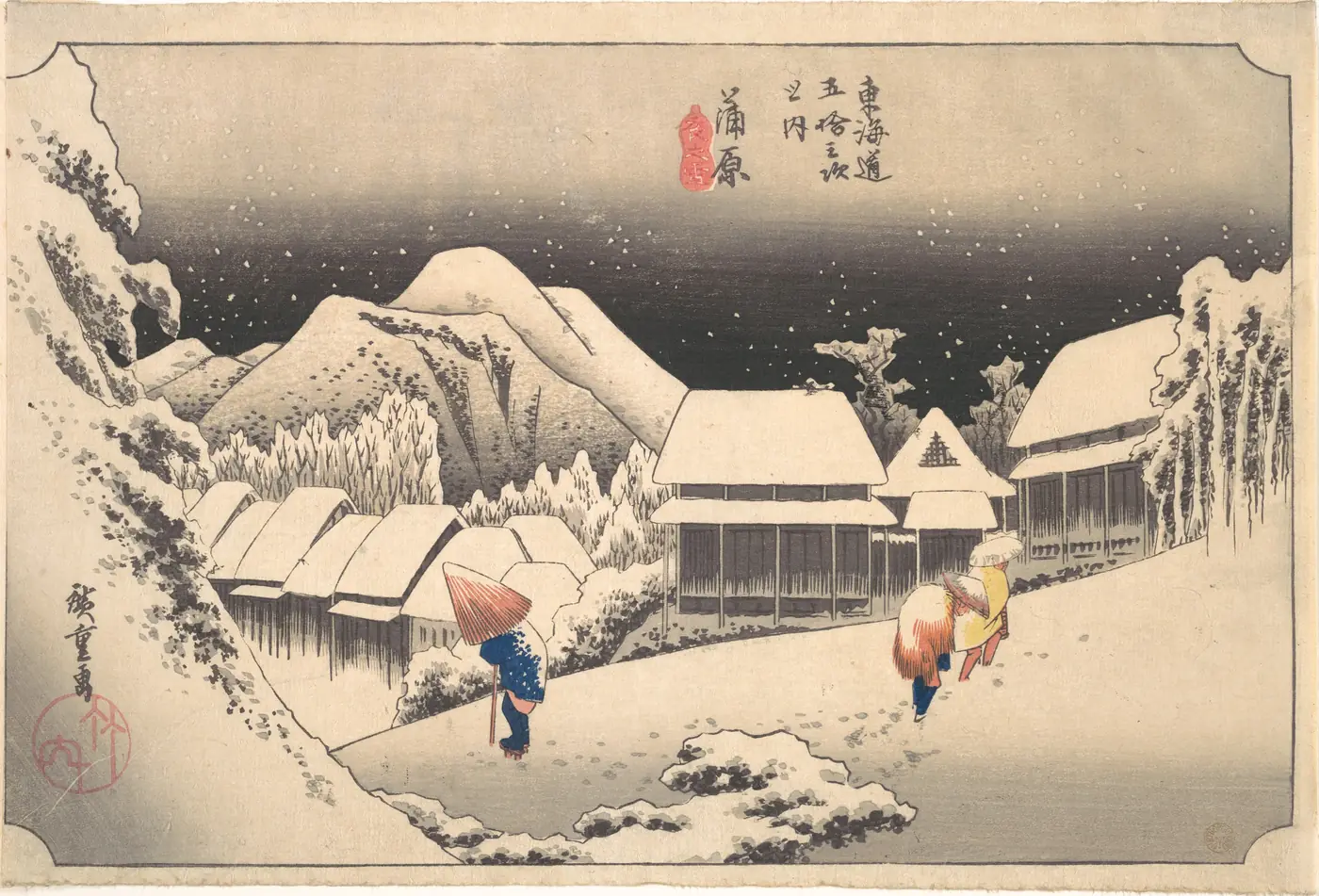
Night Snow at Kanbara · Utagawa Hiroshige · ca. 1833–34
Night and snow are built from a few flat layers: a dark gray sky, white roofs and hillsides, and a few figures trudging through. The print is very quiet and shows how much ukiyo-e does with flat color and empty space.
Public-domain original · CC0 public domain · The Metropolitan Museum of Art, Rogers Fund, 1918 · Source
Four Traits of Ukiyo-e
Crisp outlines
Every shape is bounded by an ink line, and the line varies in thickness because it was cut with a knife. “Woodcut lines” and “black outlines” are the most direct prompt words.
Flat color
Each area of color is even, with no highlights or cast shadows. The ukiyo-e palette is limited, often indigo, vermilion, ochre, pale green and the cream of the paper.
Bokashi gradation
Skies and water often fade from deep to pale, an effect called bokashi, made by the printer wiping pigment across the block. “Blue gradient sky” and “woodblock gradation” bring it into ukiyo-e images.
Bold composition
Near objects are cropped by the frame, distant ones are tiny, and the viewpoint is often high or low. Hokusai and Hiroshige both liked to frame a distant view with a wave, a tree or a bridge in the foreground.
Ukiyo-e Prompts to Copy
Each prompt specifies line, palette and composition, so you can run it as written or swap in your own subject.
Wave wallpaper
Giant wave curling with white foam, a small snowy mountain in the distance, ukiyo-e woodblock print, Prussian blue and cream palette, outlines of varying thickness, flat color areas, washi paper texture, vertical phone wallpaper
Rainy street
Modern city crossing on a rainy night, people walking under umbrellas, ukiyo-e style, slanting lines of rain, flat color, layers of indigo and gray, sky gradient from dark to light, woodblock print texture
Cat print
Calico cat sitting under a cherry tree in bloom, ukiyo-e woodblock print, crisp black outlines, vermilion, pale pink and indigo palette, flat color with no shading, cream paper background
Snow night poster
Small town and distant hills on a snowy night, a few figures walking up a slope, ukiyo-e print poster, gray-blue night sky gradient, flat white snow, simple ink lines, vertical composition
How to Make Ukiyo-e Style Images
- 1
Choose a subject and framing
Pick one clear subject and plan a foreground and a distance, such as a wave up close and a mountain far away. A bold near-and-far contrast is the most ukiyo-e thing you can add.
- 2
Specify line and color
Add “woodblock print”, “black outlines”, “flat color” and “no shading”, and limit the palette to three or four colors such as Prussian blue, vermilion and cream.
- 3
Add paper and gradation
Write “washi paper texture” and “sky gradient” so the image looks printed. If it looks too much like anime, drop anime terms and stress “Edo-period woodblock print”.
The History of Ukiyo-e
“Ukiyo” first carried the Buddhist sense of a sorrowful, fleeting world; in the Edo period it came to mean the pleasure quarters and theaters of the cities, and early ukiyo-e mostly showed actors and courtesans. In the 1830s Hokusai's series Thirty-six Views of Mount Fuji (The Great Wave dates to about 1830–32) and Hiroshige's Fifty-three Stations of the Tōkaidō (about 1833–35) made landscape a major ukiyo-e subject. The Prussian blue Hokusai used so heavily was a synthetic pigment imported from Europe, brighter and longer-lasting than plant-based blues.
In the second half of the 19th century, ukiyo-e prints reached Europe in large numbers and influenced Monet, Degas and Van Gogh, a wave known as Japonisme. Van Gogh even made painted copies of Hiroshige prints. In other words, ukiyo-e was already a shared reference for artists around the world more than a century ago. All three originals on this page are in The Metropolitan Museum of Art in New York.
Ukiyo-e FAQ
Is it legal to create images in the ukiyo-e style?
Yes. The prints of Hokusai and Hiroshige are in the public domain, and the originals here come from The Met's open-access collection. A style can't be owned, so you can freely create ukiyo-e images. Images made on a paid plan can be used commercially, but don't present a generated image as an original Hokusai or Hiroshige print.
How do I keep results from looking like anime?
Anime and ukiyo-e both rely on line, but ukiyo-e has no cel shading or oversized eyes. Write “Edo-period woodblock print”, “flat color, no shading” and “washi paper texture”, and leave out words like “anime”.
Can I turn my photo into ukiyo-e?
Yes. Upload your photo as a reference image in the studio, then add the ukiyo-e cues for line, color and palette, for example “woodblock print, black outlines, flat color, Prussian blue”. Photos with a clear subject and a simple background work best.
What is ukiyo-e good for?
Wallpapers, posters, T-shirt graphics, tattoo sketches and profile pictures. Flat color stays clear at small sizes, and vertical ukiyo-e compositions suit phone wallpapers especially well.
More AI art styles
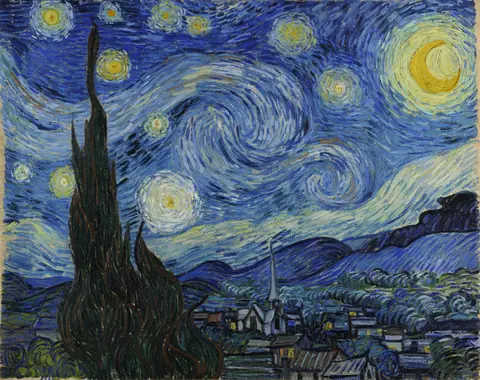
Van Gogh Style
Swirling strokes, thick paint, intense blues and yellows
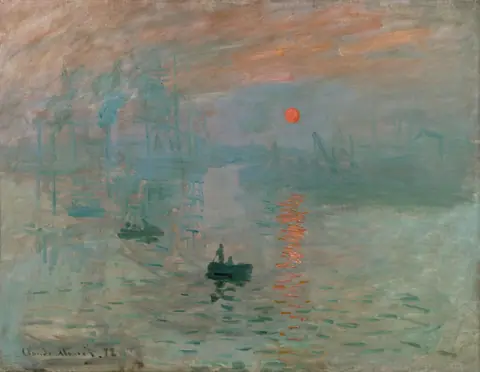
Monet Style
Broken brushwork that catches light, soft color, reflections on water
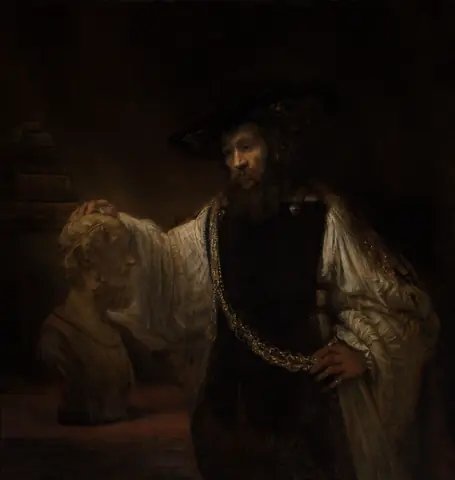
Rembrandt Lighting
One side light in a dark room and a triangle of light on the cheek
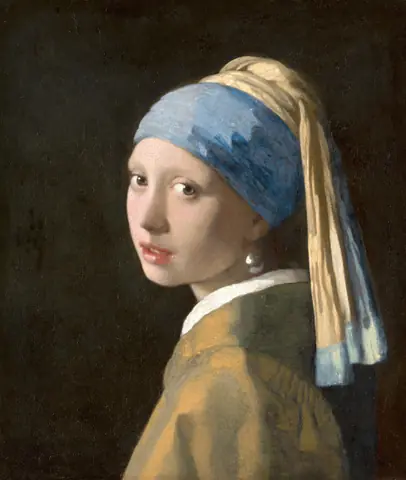
Vermeer Style
Soft window light, quiet interiors and pearl-like highlights
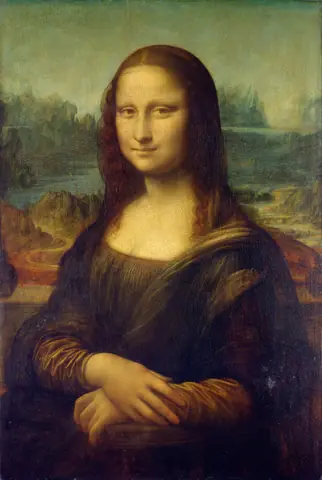
Renaissance Painting Style
Sfumato softness, balanced composition and classical figures
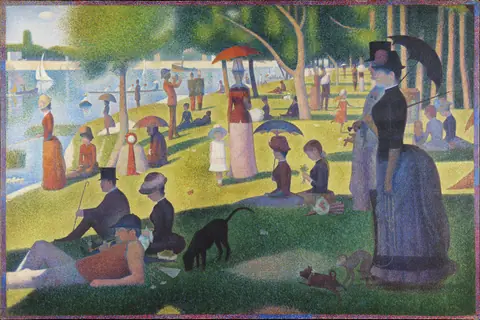
Pointillism
Images built from tiny dots of pure color that blend at a distance
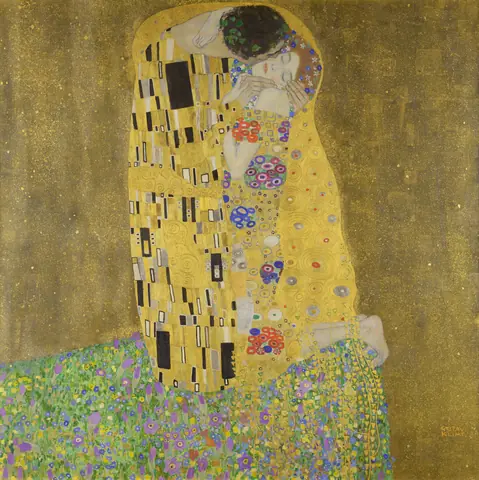
Klimt Style
Gold leaf, ornamental patterns and flattened, opulent figures
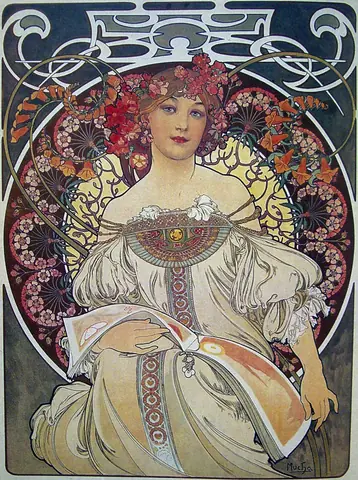
Mucha Style
Art Nouveau curves, halo circles and floral ornamental frames
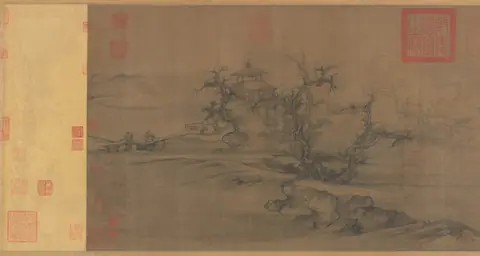
Chinese Landscape Painting
Ink texture strokes, layered distance and generous empty space
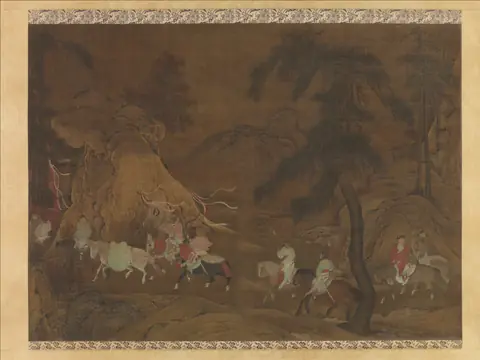
Blue-Green Landscape
Mineral blues and greens over gold-outlined, stacked peaks
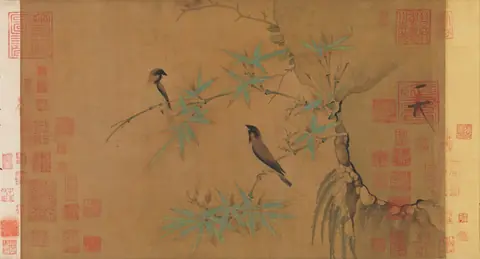
Gongbi Bird-and-Flower Painting
Hair-fine line work, layered washes and the feel of silk
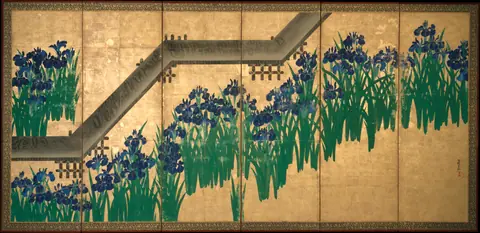
Rinpa Style
Gold-leaf grounds, bold flat shapes and repeated motifs
Ukiyo-e Style pricing: pay per image, no subscription
Taster pack · 15 HD images
150 credits that never expire. No subscription, one per account.