
Gongbi AI Art: Hair-Fine Lines and Layered Color
Two bird-and-flower scrolls from The Met show what makes gongbi painting so precise. Learn the traits, then paste a ready-made gongbi prompt into the studio.
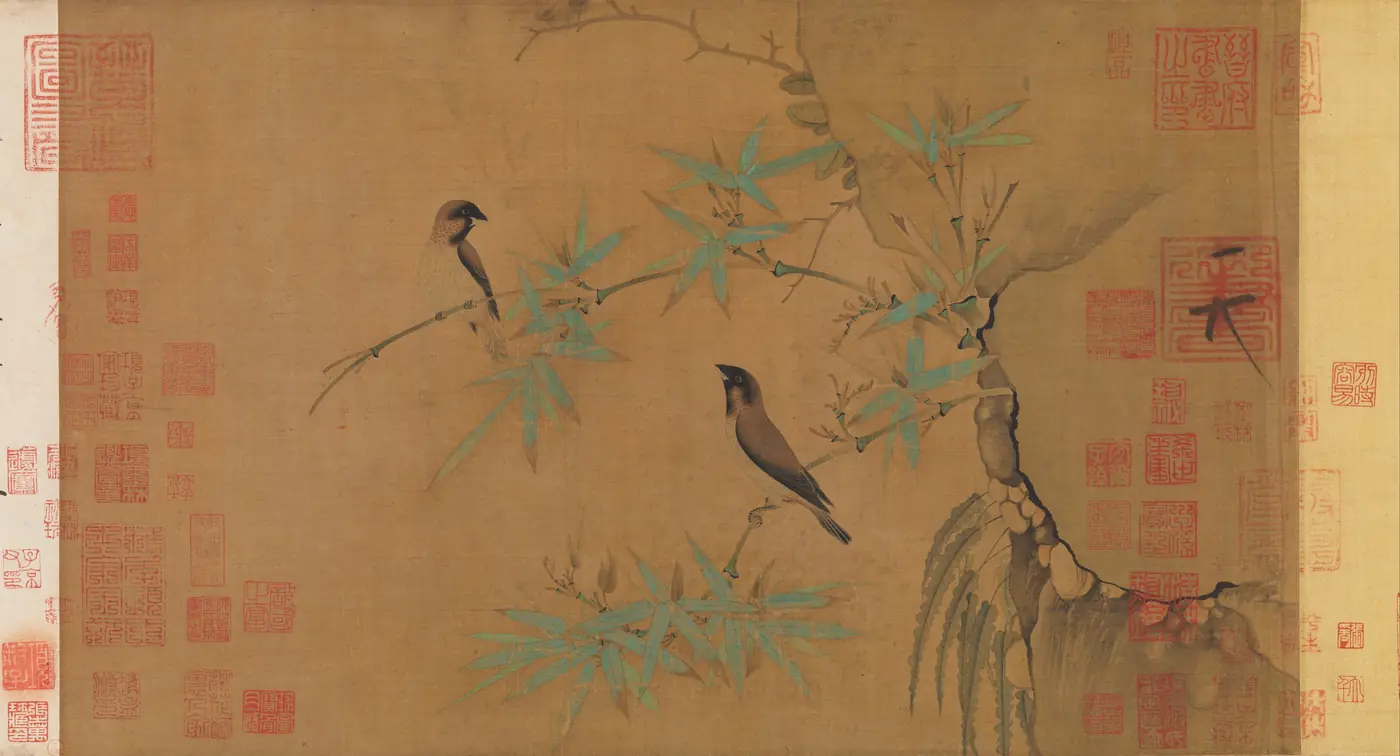
Finches and Bamboo · Emperor Huizong · early 12th century
Public-domain original · CC0 public domain · The Metropolitan Museum of Art, John M. Crawford Jr. Collection, Purchase, Douglas Dillon Gift, 1981 · Source
What Is Gongbi Painting?
Gongbi (literally "meticulous brush") is the careful, detailed manner of Chinese painting, the opposite of the loose, expressive xieyi ("sketching the idea") manner. A gongbi painter first draws every petal, feather and fold in thin, even ink lines, then fills the shapes with many pale layers of color. Thickness, softness and shine all come from that patient layering rather than from bold strokes.
Gongbi covers birds and flowers, figures and animals, but Song dynasty bird-and-flower painting is the most admired body of work. When you ask an AI generator for gongbi, it is easy to end up with an ordinary colored illustration. The fix is to describe the line, the thin washes and the silk ground. This page shows two originals, explains what to look for, and gives prompts that already carry those cues.
Gongbi Originals: Emperor Huizong and Qian Xuan
Every painting on this page is in the public domain; the images come from museum open-access collections (CC0) or Wikimedia Commons. The AI makes new images in the style, not copies of the originals.
Finches and Bamboo · Emperor Huizong · early 12th century
Emperor Huizong's short handscroll shows small birds among bamboo, every feather drawn stroke by stroke and the color kept thin and transparent. Look at how the birds' poses play against the large empty ground; close observation of life was the ideal of Huizong's court gongbi.
Public-domain original · CC0 public domain · The Metropolitan Museum of Art, John M. Crawford Jr. Collection, Purchase, Douglas Dillon Gift, 1981 · Source
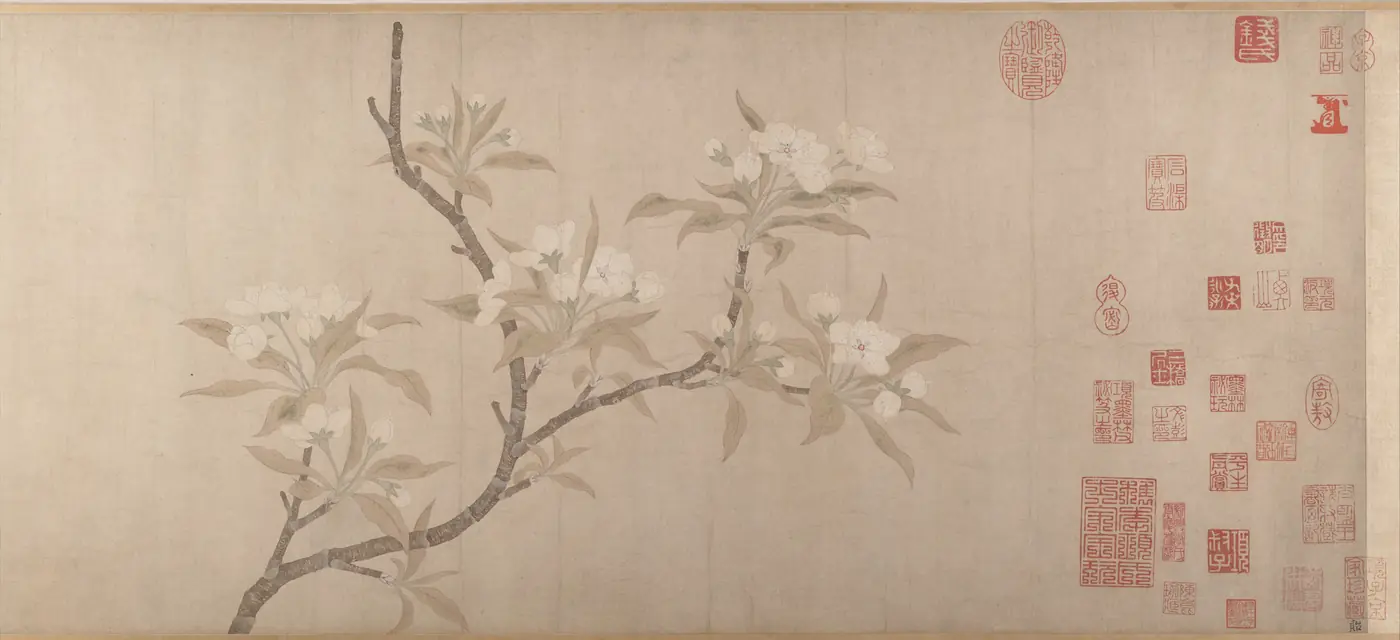
Pear Blossoms · Attributed to Qian Xuan · ca. 1280
This scroll, attributed to Qian Xuan (ca. 1280), shows a single branch of pear blossoms. The petals are outlined in fine line and softly tinted, the leaves move from dark to pale, and a poem is inscribed beside them, joining poetry, calligraphy and gongbi painting in one work.
Public-domain original · CC0 public domain · The Metropolitan Museum of Art, Purchase, The Dillon Fund Gift, 1977 · Source
Four Traits of Gongbi Painting
Line as the skeleton
Everything begins as an ink outline drawing. The lines are fine, even and controlled, with a clear start and finish. Without that drawing a picture isn't gongbi, so "fine ink outlines" belongs in every prompt.
Layered washes
Color is built up in many thin coats, shading each shape from one edge and then glazing over it. The surface stays clean and translucent instead of thick. "Layered translucent washes" describes it well.
Silk or sized paper
Gongbi is usually painted on silk or on sized (non-absorbent) paper, so color doesn't bleed and edges stay crisp. The ground is often a warm, slightly yellowed tone.
Precision with empty space
Birds and flowers are drawn with accurate anatomy, but the background is often left blank. The subject floats on open silk, which gives gongbi its quiet, elegant feel.
Gongbi Prompts for Pets, Flowers and Portraits
Each prompt names the line work and the coloring; copy one and replace the subject to get a gongbi result.
Pet portrait
Gongbi painting of a ragdoll cat lying beside peony blossoms, every hair drawn in fine ink lines, layered translucent color washes, wide empty background, warm yellowed silk ground, a small red seal in the lower right corner
Flower wallpaper
Vertical gongbi painting, a single magnolia branch reaching in from the side, petals glazed with soft white, ochre-ink branches, a small white-eye bird perched at the tip, pale elegant colors, old silk texture, plenty of empty space
Tattoo design
Gongbi-style tattoo design of a koi fish circling a lotus flower, crisp even outline drawing, light touches of color on the scales and petals, circular composition, plain white background, clean lines ready for stenciling
Portrait from a photo
Gongbi figure portrait of a young woman in profile, based on a photo, fine lines for the features and individual strands of hair, a faint blush on the cheek, flowing robe folds, plain background, silk texture
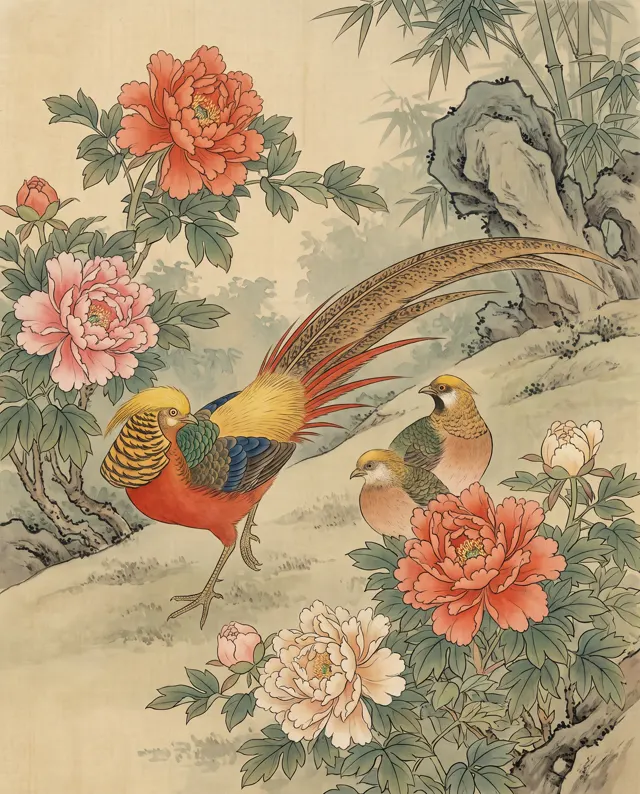
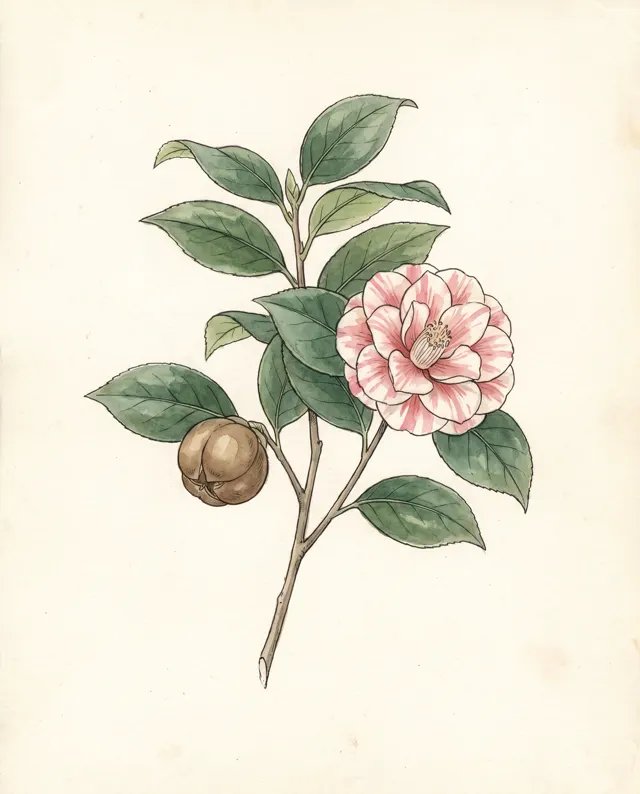
Images we made in a similar style
These are new AI images, not the originals. Open one to see its full prompt and make your own.
How to Generate a Gongbi Image
- 1
Choose one clear subject
Gongbi works best with a single, well-defined subject: one branch, one bird, one face. The more specific the subject, the cleaner the drawing.
- 2
Describe the technique
After the subject, add "fine ink outlines, layered translucent washes, thin color, silk ground, empty background". Add "red seal" if you want a finished-scroll look.
- 3
Pick a frame and generate
Tall frames suit flowers, birds and portraits; wide frames suit handscroll layouts. If the lines come out too heavy, add "hair-fine lines" and try again.
A Short History of Gongbi
Careful outline-and-color painting goes back well before the Tang dynasty. By the Five Dynasties, bird-and-flower painting had split into two famous manners: the rich, polished style of Huang Quan and the looser, more rustic style of Xu Xi. The Northern Song court then built an imperial painting academy, and Emperor Huizong, himself a gifted bird-and-flower painter, pushed his artists to observe living plants and birds closely. Court gongbi reached its height under his rule.
Around the Song–Yuan transition, painters such as Qian Xuan brought a scholar's taste into the careful manner, with lighter color and inscribed poems. In the Ming and Qing dynasties gongbi and xieyi developed side by side. Painters today still follow the same sequence of outline, shading and glazing, and gongbi has found new uses in illustration, packaging, cultural products and tattoo design.
Gongbi AI Art FAQ
Is it legal to make AI images in the gongbi style?
Yes. The Song and Yuan paintings on this page are in the public domain, and gongbi, like any painting technique, can't be owned. Just don't sell or show a generated image as a genuine old painting. Images made on a paid plan can be used commercially.
How do I get gongbi instead of a loose ink painting?
Ask for "fine ink outlines, layered translucent washes, thin color, crisp edges, silk ground" and leave out "splashed ink", "expressive" or "bold brushstrokes". A precise subject, such as "one branch of crabapple and two sparrows", also makes the gongbi result more consistent.
Can I turn my photo into a gongbi portrait?
Yes. Upload the photo as a reference image in the studio and add "gongbi figure painting, fine line work, pale layered color, silk texture". The face and pose from your photo are kept while the rendering changes to gongbi line and wash.
What is the difference between gongbi and xieyi?
Gongbi draws the outline first and then builds color in layers, aiming for accurate form. Xieyi works with fast, expressive brushstrokes and suggests form rather than describing it. Choose gongbi when you want detail and calm elegance.
More AI art styles
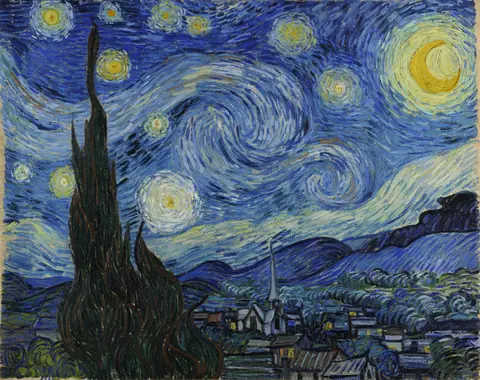
Van Gogh Style
Swirling strokes, thick paint, intense blues and yellows
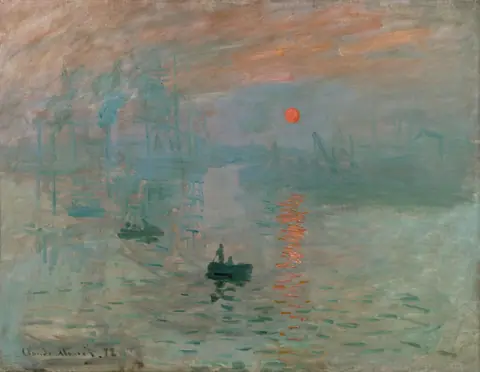
Monet Style
Broken brushwork that catches light, soft color, reflections on water
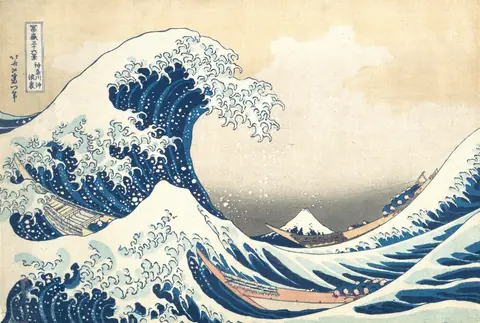
Ukiyo-e Style
Flat woodblock color, crisp outlines and Prussian blue
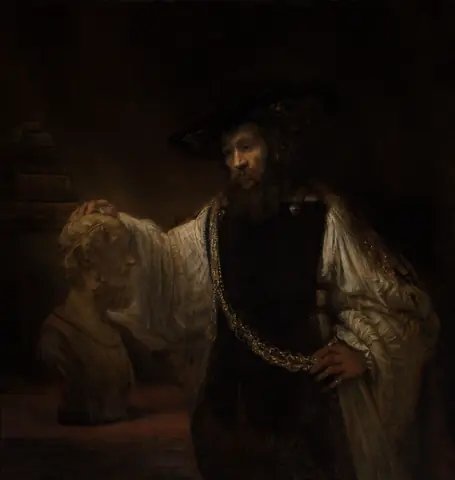
Rembrandt Lighting
One side light in a dark room and a triangle of light on the cheek
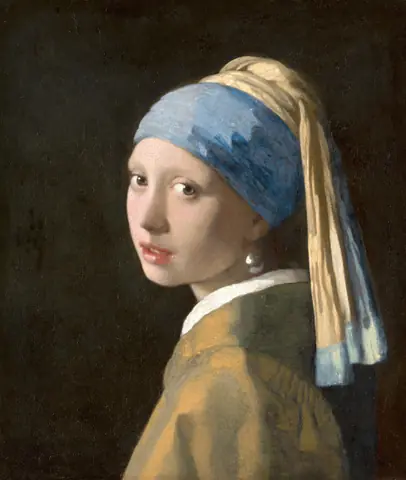
Vermeer Style
Soft window light, quiet interiors and pearl-like highlights
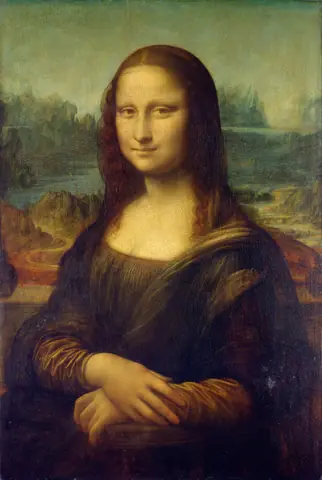
Renaissance Painting Style
Sfumato softness, balanced composition and classical figures
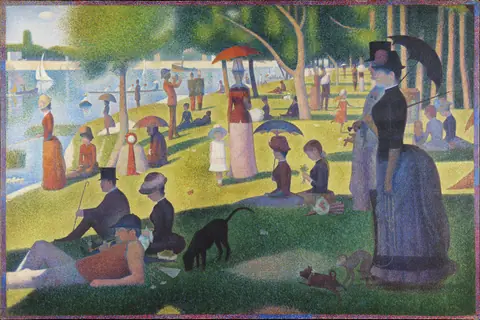
Pointillism
Images built from tiny dots of pure color that blend at a distance
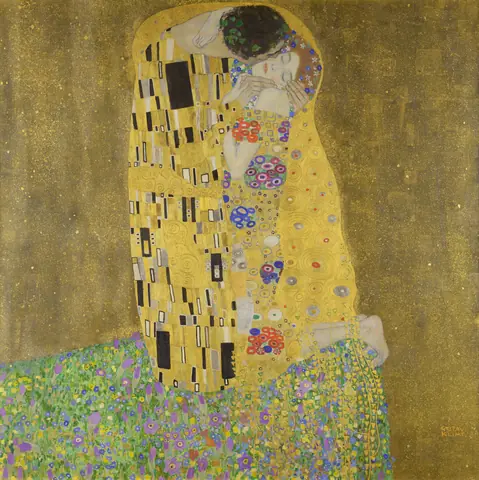
Klimt Style
Gold leaf, ornamental patterns and flattened, opulent figures
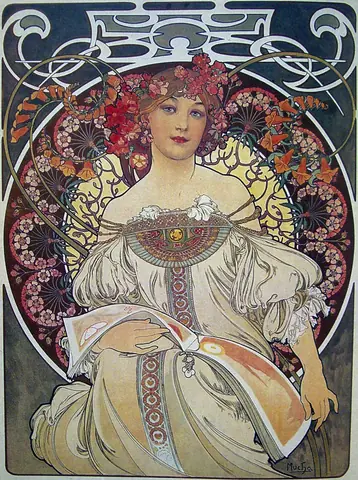
Mucha Style
Art Nouveau curves, halo circles and floral ornamental frames
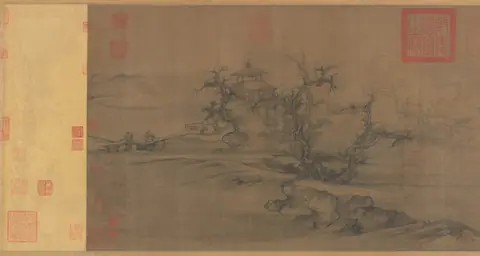
Chinese Landscape Painting
Ink texture strokes, layered distance and generous empty space
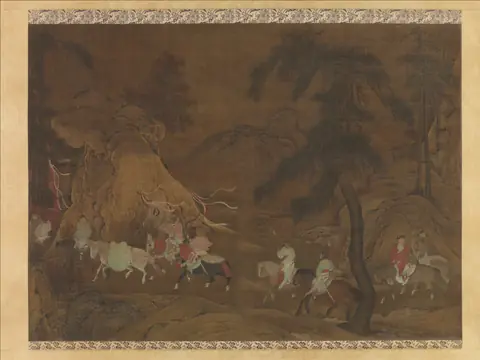
Blue-Green Landscape
Mineral blues and greens over gold-outlined, stacked peaks
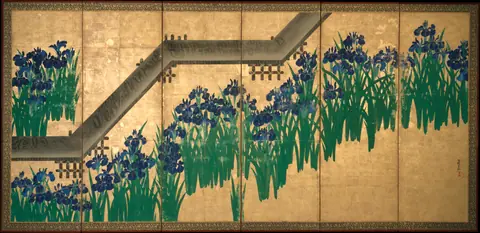
Rinpa Style
Gold-leaf grounds, bold flat shapes and repeated motifs
Gongbi Bird-and-Flower Painting pricing: pay per image, no subscription
Taster pack · 15 HD images
150 credits that never expire. No subscription, one per account.