
Rembrandt Lighting AI Art: One Side Light, Portraits With Depth
Rembrandt lighting is both a 17th-century painter's habit and a standard portrait-photography setup. See it in two original paintings, then generate your own with prompts that spell out where the light goes.
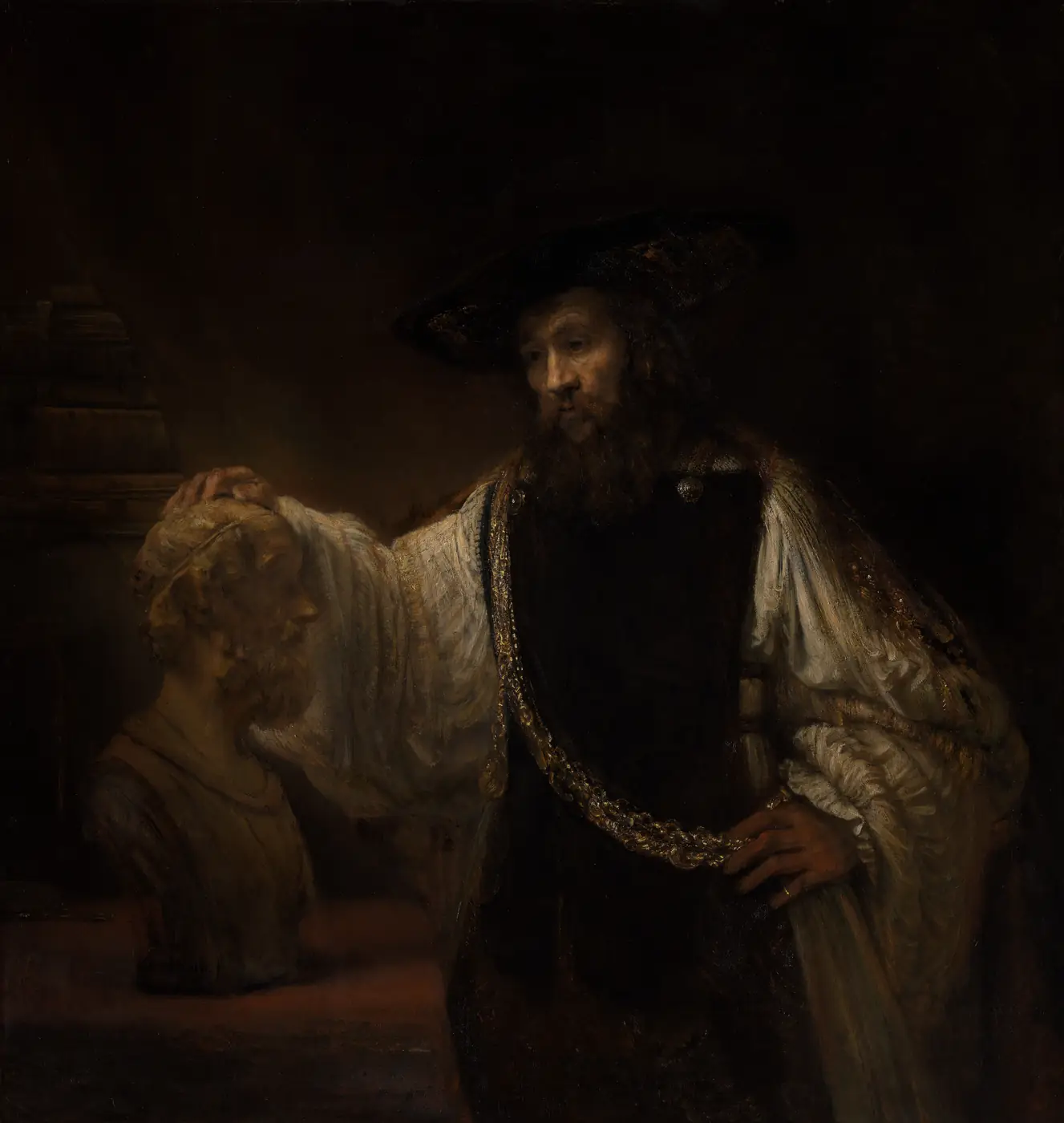
Aristotle with a Bust of Homer · Rembrandt van Rijn · 1653
Public-domain original · CC0 public domain · The Metropolitan Museum of Art, Purchase, special contributions and funds given or bequeathed by friends of the Museum, 1961 · Source
What Is Rembrandt Lighting?
Rembrandt lighting is named after the Dutch painter Rembrandt van Rijn (1606–1669). In many of his portraits most of the canvas sinks into warm brown darkness while a single light falls from high on one side. It catches the forehead, the bridge of the nose and the near cheek, and on the far cheek it leaves only a small triangle of light under the eye. That triangle is how photographers check whether Rembrandt lighting is set up correctly.
For AI art, Rembrandt lighting is one of the most dependable looks you can ask for. It doesn't need a busy scene: describe the light direction, the dark background and the cheek triangle, and an ordinary portrait, pet photo or tabletop object gains the weight of an old oil painting. You can go fully painterly, with visible brushwork and canvas texture, or borrow only the lighting for a realistic studio photo. Both versions start from the same three facts about the light.
Rembrandt Lighting in the Original Paintings
Every painting on this page is in the public domain; the images come from museum open-access collections (CC0) or Wikimedia Commons. The AI makes new images in the style, not copies of the originals.
Aristotle with a Bust of Homer · Rembrandt van Rijn · 1653
The light enters from the upper left and settles on Aristotle's face, his broad white sleeve and the gold chain, while the bust of Homer and the room fall away into shadow. Look at the sleeve: Rembrandt piled the paint thickest where the light is brightest.
Public-domain original · CC0 public domain · The Metropolitan Museum of Art, Purchase, special contributions and funds given or bequeathed by friends of the Museum, 1961 · Source
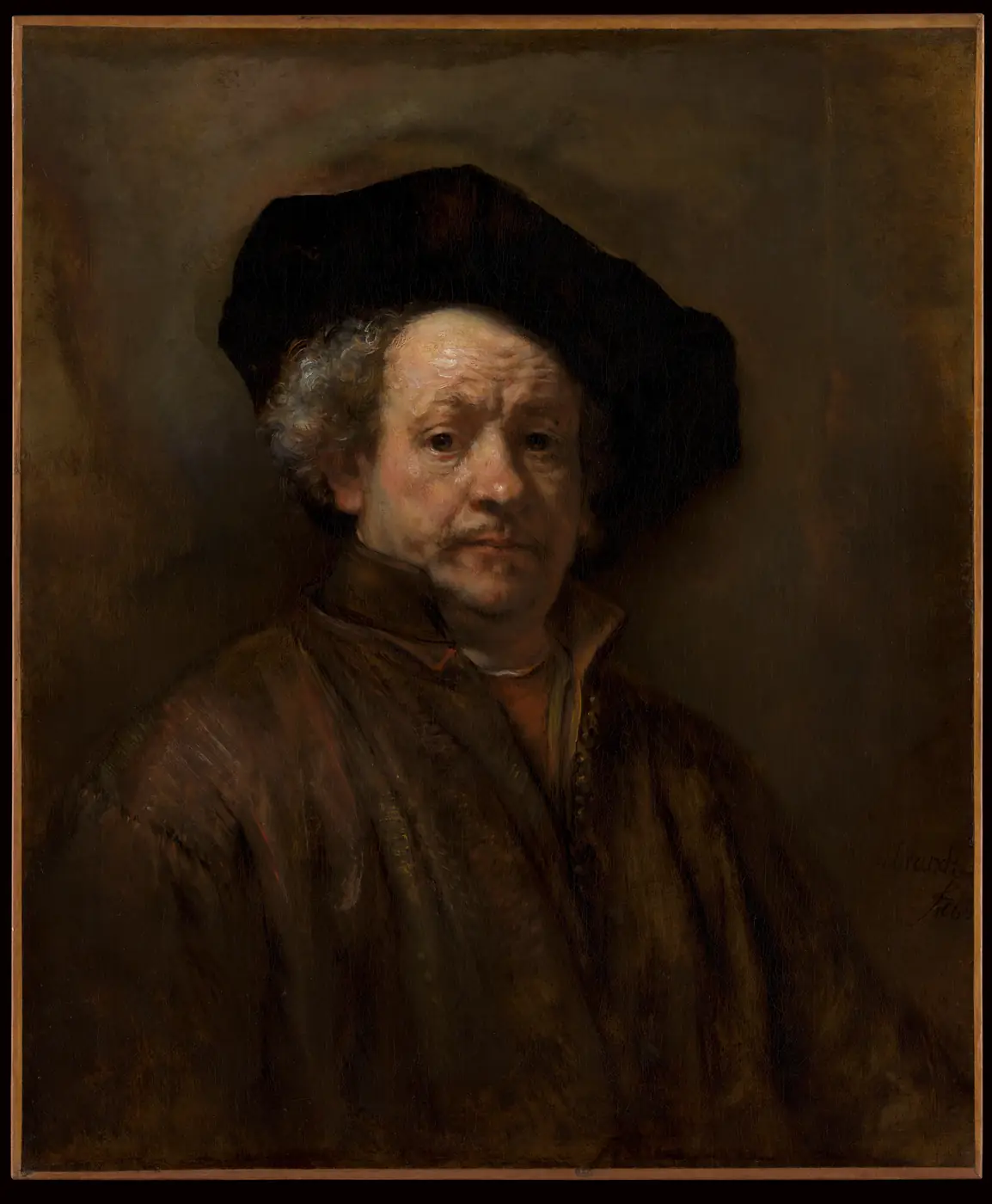
Self-Portrait (1660) · Rembrandt van Rijn · 1660
A textbook Rembrandt lighting portrait. The face is the brightest thing in the picture, and the dark beret and coat merge with the background. On the shadow side, the small lit triangle under the eye is the detail the photographic setup is named for.
Public-domain original · CC0 public domain · The Metropolitan Museum of Art, Bequest of Benjamin Altman, 1913 · Source
Four Signs of Rembrandt Lighting
One high side light
The key light sits about 45 degrees to one side of the subject and a little above head height. One lamp or one window is enough; Rembrandt lighting gets its calm from having a single source.
The cheek triangle
On the shadow side, light passes over the nose and leaves an inverted triangle on the cheek. A good triangle is no wider than the eye and no longer than the nose. Without it you simply have side lighting.
Large dark areas
Backgrounds and clothing sit in warm brown, deep olive or near-black with little detail. Shadow often covers more than half the frame, so the eye goes straight to the lit face.
Warm light and thick highlights
Rembrandt's light is amber and gold. Highlights are built up in thick paint while shadows stay thin and translucent. Mention both when you want an oil-painting finish rather than a photo.
Rembrandt Lighting Prompts to Copy
Each prompt names the light direction, the background and the finish, so it works as written or with your own subject swapped in.
Cat portrait
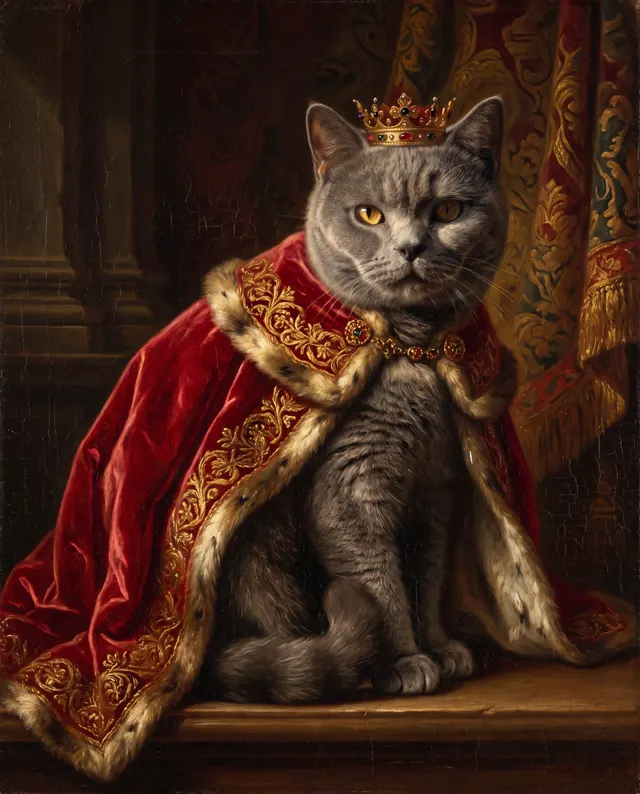
Half-length oil portrait of a British shorthair cat sitting upright, Rembrandt lighting from the upper left, small triangle of light under the right eye, deep brown background, warm amber tones, thick impasto highlights, Dutch Golden Age portrait style
Studio headshot
Studio portrait photo of a man in his thirties, classic Rembrandt lighting with one softbox high at 45 degrees camera left, lit triangle on the right cheek, black background, low-key exposure, natural skin texture, 85mm lens, shallow depth of field
Elderly sitter
Painted half-length portrait of a white-haired old man in a dark beret, in the style of Rembrandt, warm side lighting from above on forehead and nose, near-black shadows, thick brushwork in the highlights, brown and gold palette, visible canvas texture
Still life
Still life of a silver teapot, a lemon and a folded white cloth on a dark wooden table, Rembrandt lighting from the left, deep olive background, thick paint in the highlights, thin glazed shadows, Dutch 17th-century oil painting
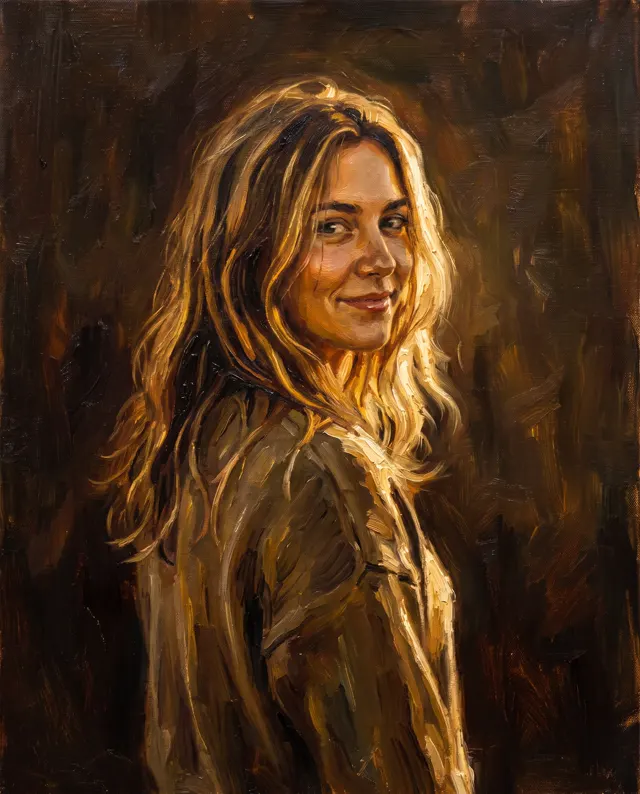
Images we made in a similar style
These are new AI images, not the originals. Open one to see its full prompt and make your own.
How to Make Rembrandt Lighting Images
- 1
Pick a simple subject
Faces, pets and old objects all work. The simpler the subject, the more the lighting does the work, so skip crowded backgrounds and extra props.
- 2
Describe the lighting in three parts
Say which side the light comes from, how dark the background is, and which cheek gets the triangle. Then choose a finish: Rembrandt-style oil painting or a realistic photo.
- 3
Adjust and run it again
If the result is too bright, add “low-key” and “shadows cover most of the frame”. If the triangle is missing, write “key light upper left, triangle of light under the right eye” and generate again.
Where Rembrandt Lighting Comes From
Rembrandt trained in Leiden and spent most of his career in Amsterdam during the Dutch Golden Age. He drew on the strong light-and-dark contrast, or chiaroscuro, that Caravaggio's followers had spread across Europe, but he softened it, letting faces emerge gradually from the dark rather than snapping out of it. Aristotle with a Bust of Homer, painted in 1653 for the Sicilian collector Antonio Ruffo, now hangs in The Metropolitan Museum of Art in New York, as does the 1660 self-portrait.
Portrait photographers later turned the light in Rembrandt's portraits into a repeatable recipe: one key light in front of the subject and off to one side, raised above eye level, with an optional reflector to lift the shadows a little. Because it needs only one light, Rembrandt lighting became one of the most common portrait lighting setups in studios and in film, and the painter's name moved from art history into photography manuals.
Rembrandt Lighting FAQ
Is it legal to generate images with Rembrandt lighting or in Rembrandt's style?
Yes. Rembrandt died in 1669 and his paintings are in the public domain; the originals on this page come from museum open-access collections. A style or a lighting setup can't be owned, so you are free to use Rembrandt lighting. Images made on a paid plan can be used commercially, but don't present a generated image as a genuine Rembrandt.
How do I get the cheek triangle to appear?
Writing only “Rembrandt style” often gives a dark oil painting with no clear lighting pattern. State the source and the result together, for example “key light upper left, small triangle of light under the right eye, dark brown background”.
Can I turn my own photo into a Rembrandt lighting portrait?
Yes. Upload your photo as a reference image in the studio, then add the Rembrandt lighting cues and the finish you want, such as “dark brown background, warm high side light, thick oil brushwork”. Front-facing or slightly turned half-length photos work best.
How is Rembrandt lighting different from plain side lighting?
With plain side lighting the far half of the face goes completely dark. In Rembrandt lighting the key light sits a little further forward, so light crosses the nose and leaves the triangle on the far cheek. The face keeps its shape and the expression reads more softly.
More AI art styles
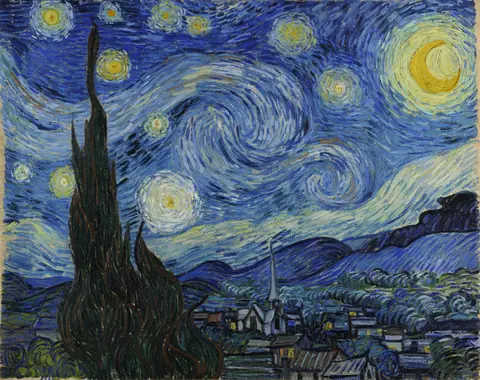
Van Gogh Style
Swirling strokes, thick paint, intense blues and yellows
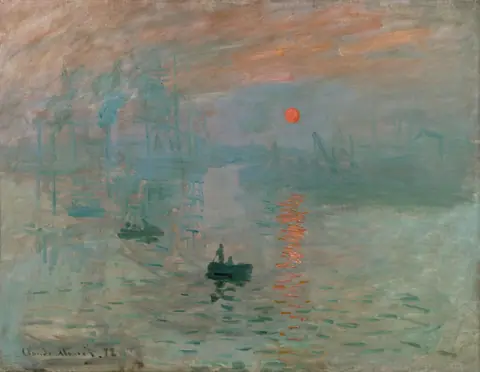
Monet Style
Broken brushwork that catches light, soft color, reflections on water
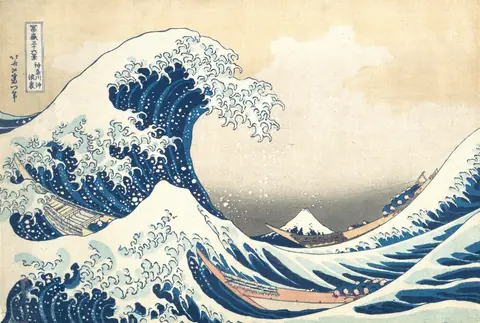
Ukiyo-e Style
Flat woodblock color, crisp outlines and Prussian blue
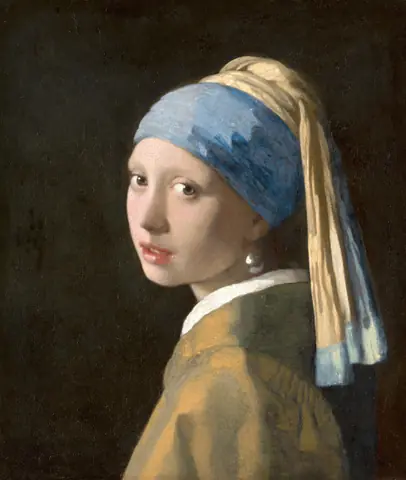
Vermeer Style
Soft window light, quiet interiors and pearl-like highlights
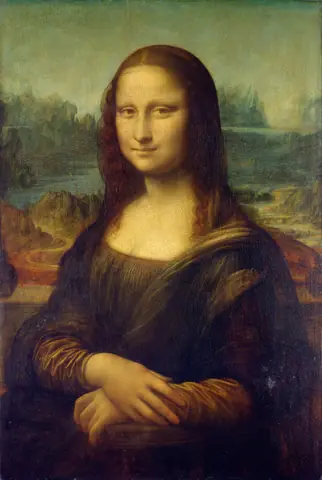
Renaissance Painting Style
Sfumato softness, balanced composition and classical figures
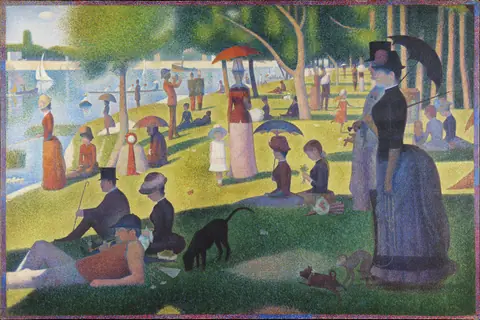
Pointillism
Images built from tiny dots of pure color that blend at a distance
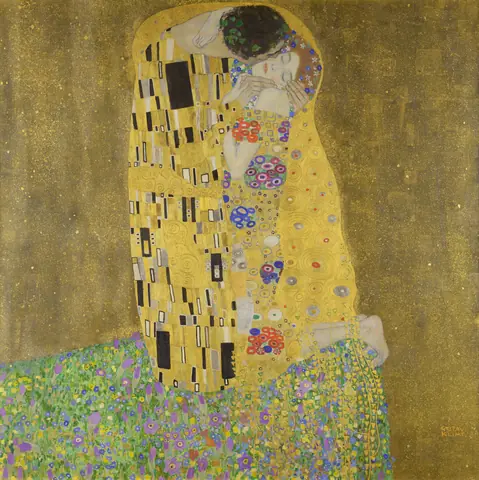
Klimt Style
Gold leaf, ornamental patterns and flattened, opulent figures
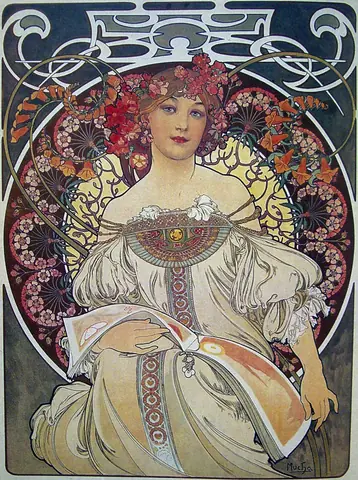
Mucha Style
Art Nouveau curves, halo circles and floral ornamental frames
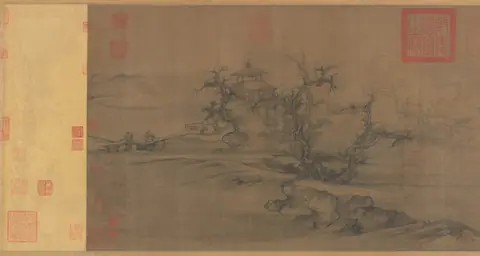
Chinese Landscape Painting
Ink texture strokes, layered distance and generous empty space
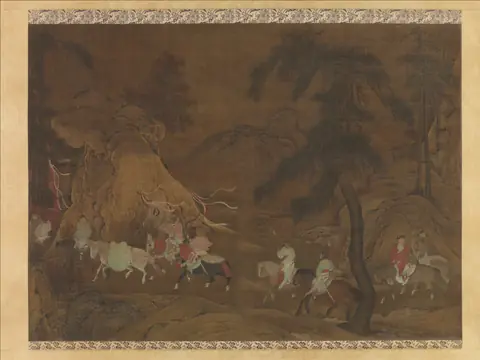
Blue-Green Landscape
Mineral blues and greens over gold-outlined, stacked peaks
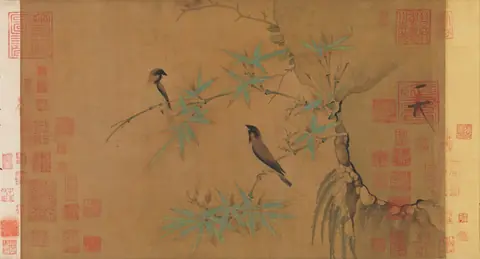
Gongbi Bird-and-Flower Painting
Hair-fine line work, layered washes and the feel of silk
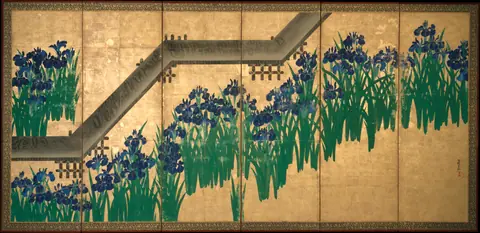
Rinpa Style
Gold-leaf grounds, bold flat shapes and repeated motifs
Rembrandt Lighting pricing: pay per image, no subscription
Taster pack · 15 HD images
150 credits that never expire. No subscription, one per account.