
Renaissance Painting AI Art: Sfumato Light and Classical Composition
Soft transitions from light to shadow, a stable triangular pose and a bluish landscape fading into the distance are the marks of Renaissance painting. See two originals, then generate your own classical portrait.
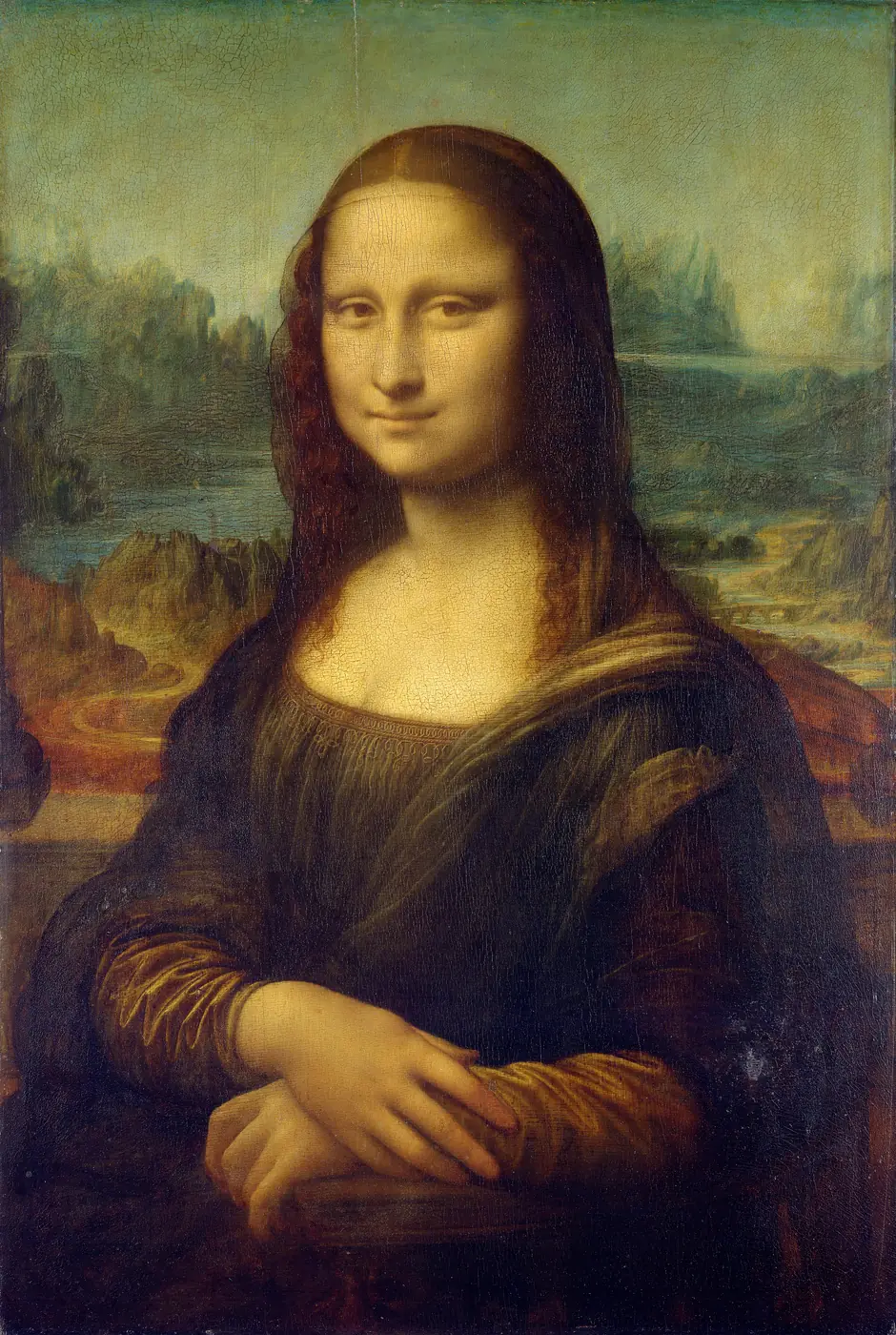
Mona Lisa · Leonardo da Vinci · ca. 1503–19
Public-domain original · Public domain · Musée du Louvre, Paris (via Wikimedia Commons) · Source
What Makes a Renaissance Painting?
The Renaissance was a cultural movement that began in Florence in the 14th century and spread across Europe through the 16th. Renaissance painters studied human proportion, linear perspective and natural light so that figures had weight and space had depth. When people ask for a Renaissance painting today, they usually mean the look of that period's oil and tempera pictures: soft skin tones, calm composition, classical clothing and layered landscapes that recede into blue haze.
In AI art, the Renaissance look is most often used for classical portraits: you, your family or your pet as the sitter in a 16th-century painting. You can also borrow the Northern Renaissance landscape for a detailed country panorama full of small figures. The trick is to describe composition, light and background, not just to write “classical” and hope for the best.
Renaissance Painting Originals: Italy and the Netherlands
Every painting on this page is in the public domain; the images come from museum open-access collections (CC0) or Wikimedia Commons. The AI makes new images in the style, not copies of the originals.
Mona Lisa · Leonardo da Vinci · ca. 1503–19
Look at the edges of the face and hands: there are no hard lines, and light melts into shadow like smoke. That is sfumato. The figure forms a stable triangle, and the landscape behind her grows bluer and hazier with distance.
Public-domain original · Public domain · Musée du Louvre, Paris (via Wikimedia Commons) · Source
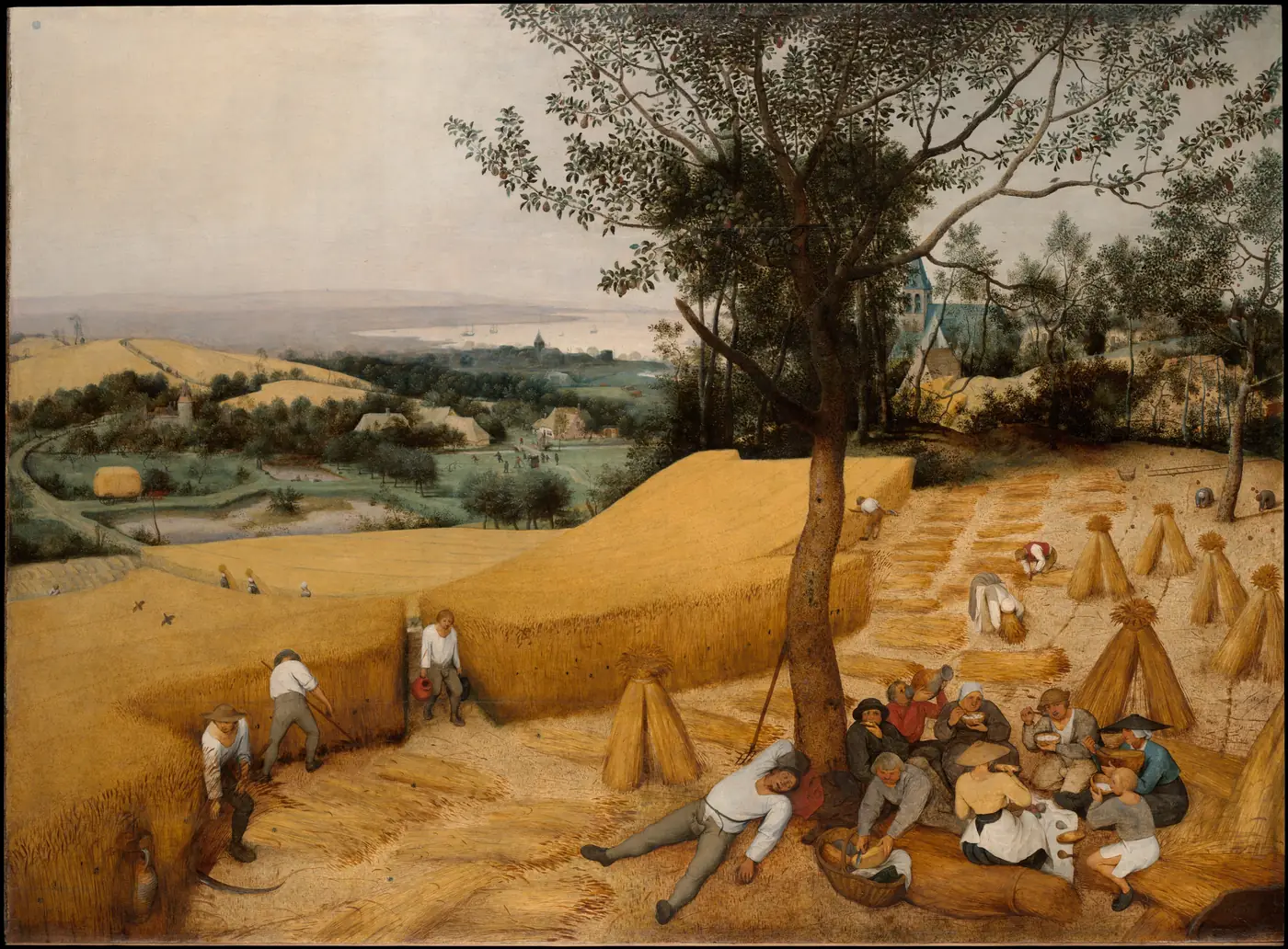
The Harvesters · Pieter Bruegel the Elder · 1565
The other face of Renaissance painting, from north of the Alps: a high viewpoint, peasants harvesting and resting in the foreground, and a village, a river bend and a coastline in the distance. Golden wheat fills most of the picture, and every small figure is doing something specific.
Public-domain original · CC0 public domain · The Metropolitan Museum of Art, Rogers Fund, 1919 · Source
Four Traits of Renaissance Painting
Sfumato
Leonardo blurred outlines and shadows as if seen through a thin mist, so the face turns from light to dark with no hard edge. Writing “soft sfumato, no hard outlines” in a prompt makes a visible difference.
Triangular composition
Half-length sitters often form a steady pyramid, with the head at the apex and folded hands at the base. It gives Renaissance portraits their dignity and balance.
Atmospheric perspective
Distant hills, rivers and roads become paler and bluer, which creates depth. Put that kind of landscape behind a portrait and it reads as Renaissance at once.
Careful detail and period clothing
Folds of fabric, strands of hair and work in the fields are painted with care. Sitters wear robes, square-necked gowns or linen, in earth red, ochre, olive green and deep blue.
Renaissance Painting Prompts to Copy
Each prompt spells out the composition, light and background, so you can use it as written or replace the subject with your own.
Classical portrait
Half-length portrait of a young woman with folded hands, Renaissance painting, triangular composition, soft sfumato, warm skin tones, dark gown, bluish distant hills and a winding road behind her, oil on wood panel texture
Noble pet portrait
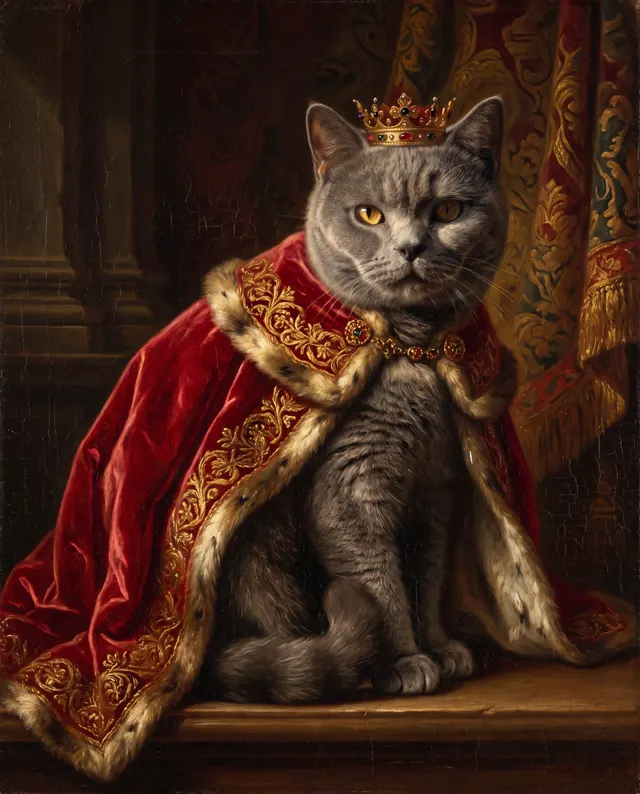
Corgi in a velvet robe seated on a carved wooden chair, Renaissance court portrait, soft side light, sfumato shading, dark green curtain backdrop, gold trim details, oil painting with fine craquelure
Harvest panorama
Summer wheat field panorama in the style of Pieter Bruegel the Elder, Northern Renaissance painting, high viewpoint, peasants harvesting and resting in the foreground, distant village, church and bay, golden and olive palette, rich detail
Couple portrait
Half-length portrait of a couple side by side, Renaissance painting, square-necked gown and dark doublet, window opening onto a hazy blue valley, soft natural light, sfumato skin, classical oil painting texture
Images we made in a similar style
These are new AI images, not the originals. Open one to see its full prompt and make your own.
How to Generate a Renaissance Painting
- 1
Choose the composition
Use a triangular half-length pose for portraits and a high-viewpoint panorama for landscapes. Settling the composition first gives the image its classical calm.
- 2
Describe light and background
Add “soft side light”, “sfumato” and “bluish distant hills”. The landscape background is the most recognizable part of a Renaissance portrait.
- 3
Add clothing and surface
Include robes, square-necked gowns or velvet, then “oil on wood panel” or “fine craquelure”. If the result looks too modern, remove modern objects and generate again.
A Short History of Renaissance Painting
In the early 15th century the Florentine architect Filippo Brunelleschi demonstrated linear perspective, and Renaissance painters began to organize space around a vanishing point. Around the same time, painters in the Netherlands brought oil painting to maturity: oil can be layered in thin glazes, which suits subtle skin and gleaming surfaces, and the technique soon spread to Italy. Leonardo da Vinci's Mona Lisa, painted around 1503–19 and now in the Louvre in Paris, is the fullest example of his sfumato.
North of the Alps, the Renaissance took a different turn. Pieter Bruegel the Elder painted The Harvesters in 1565 as part of a series on the times of the year; it now hangs in The Metropolitan Museum of Art in New York. Instead of myths and heroes it shows peasants working and resting, and it treats the landscape itself as the subject, something Northern Renaissance painting did more readily than Italian art.
Renaissance Painting FAQ
Is it legal to make images in a Renaissance painting style?
Yes. Works by Leonardo, Bruegel and other Renaissance painters are in the public domain, and the originals here come from museum open-access sources. A style can't be owned, so you can freely create Renaissance-style images. Images made on a paid plan can be used commercially, but don't pass a generated image off as a genuine work by an old master.
Should I write “classical oil painting” or “Renaissance painting”?
“Classical oil painting” is broad and can drift toward Baroque or 19th-century academic looks. Write “Renaissance painting” and add “sfumato”, “triangular composition” and “bluish distant landscape” to land closer to the 16th century.
Can I turn my photo into a Renaissance portrait?
Yes. Upload your photo as a reference image in the studio, then add the Renaissance composition, clothing and background, for example “triangular half-length pose, dark gown, hazy blue valley behind, soft sfumato”. Front-facing or three-quarter photos work best.
How does Italian Renaissance painting differ from Northern Renaissance painting?
Italian painters put more weight on proportion, perspective and idealized beauty; Northern painters such as Bruegel and Jan van Eyck put more weight on detail, everyday life and landscape. Choose the first for graceful portraits and the second for busy, detailed scenes.
More AI art styles
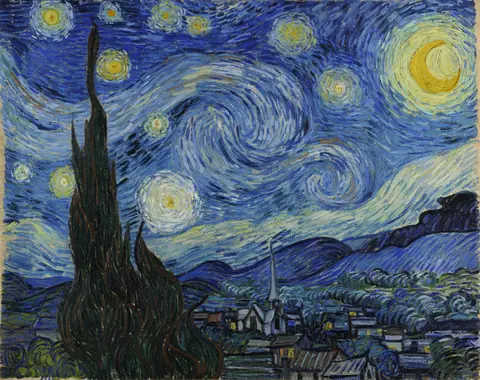
Van Gogh Style
Swirling strokes, thick paint, intense blues and yellows
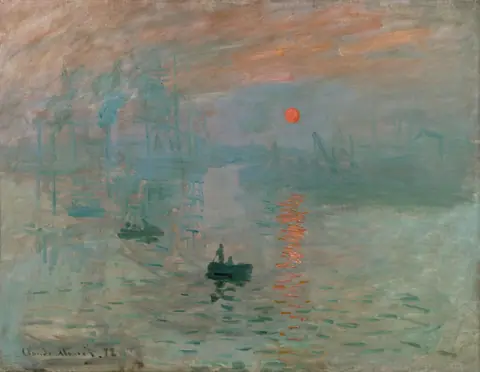
Monet Style
Broken brushwork that catches light, soft color, reflections on water
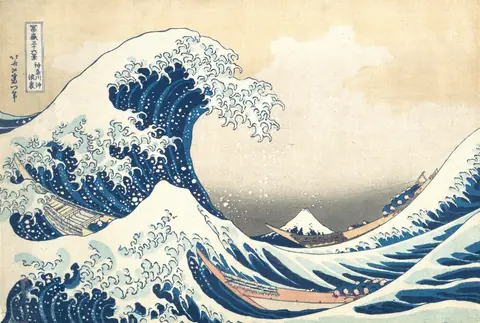
Ukiyo-e Style
Flat woodblock color, crisp outlines and Prussian blue
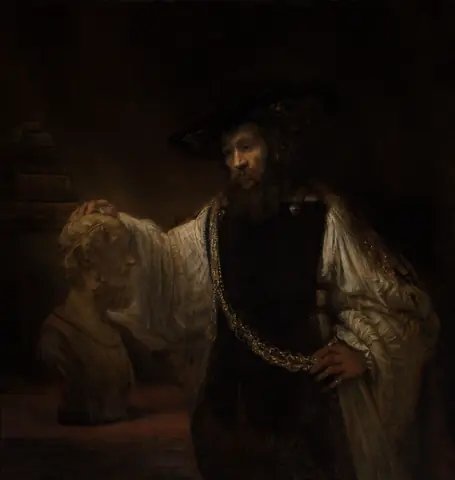
Rembrandt Lighting
One side light in a dark room and a triangle of light on the cheek
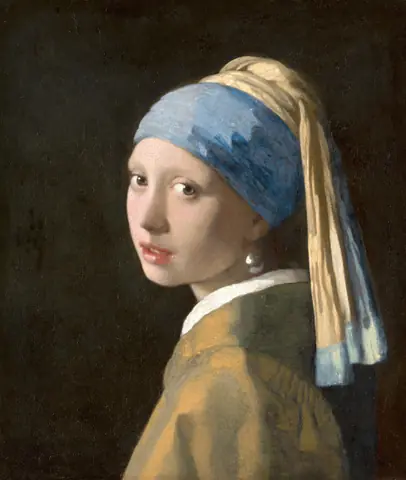
Vermeer Style
Soft window light, quiet interiors and pearl-like highlights
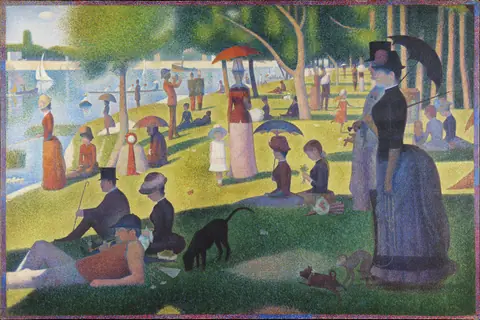
Pointillism
Images built from tiny dots of pure color that blend at a distance
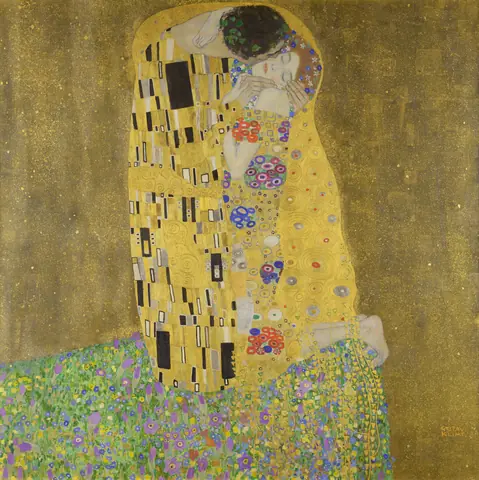
Klimt Style
Gold leaf, ornamental patterns and flattened, opulent figures
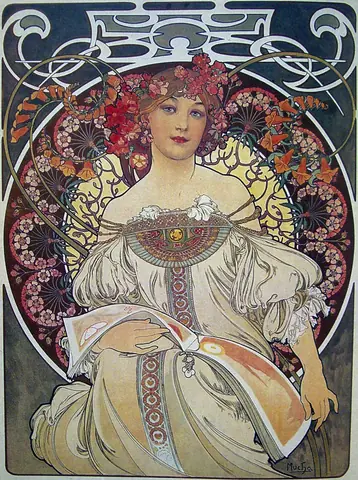
Mucha Style
Art Nouveau curves, halo circles and floral ornamental frames
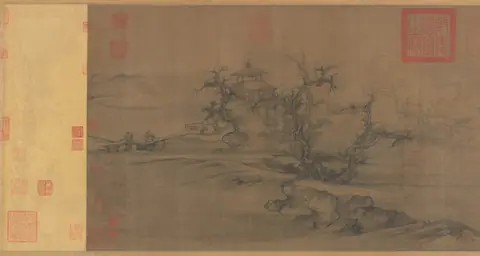
Chinese Landscape Painting
Ink texture strokes, layered distance and generous empty space
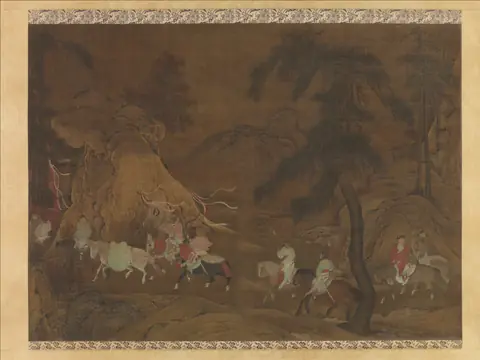
Blue-Green Landscape
Mineral blues and greens over gold-outlined, stacked peaks
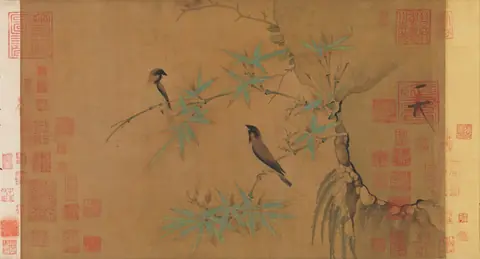
Gongbi Bird-and-Flower Painting
Hair-fine line work, layered washes and the feel of silk
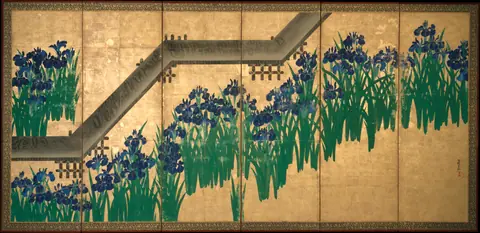
Rinpa Style
Gold-leaf grounds, bold flat shapes and repeated motifs
Renaissance Painting Style pricing: pay per image, no subscription
Taster pack · 15 HD images
150 credits that never expire. No subscription, one per account.