
Blue-Green Landscape AI Art: Mineral Color on Stacked Peaks
A Song dynasty scroll from The Met shows how the blue-green landscape style layers azurite and malachite over crisp ink outlines. Learn the traits, then paste a ready-made prompt into the studio.
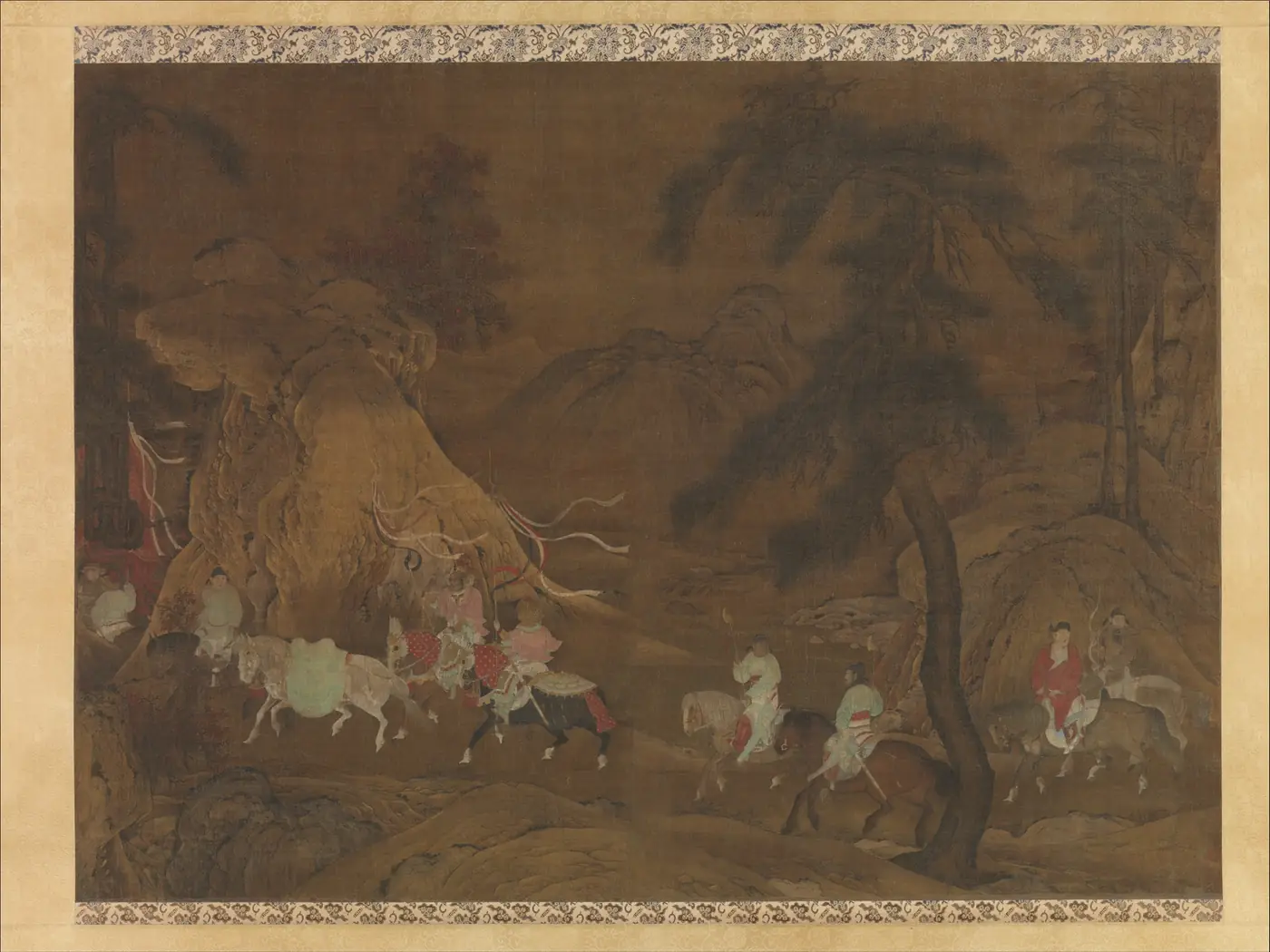
Emperor Xuanzong's Flight to Shu · Unidentified artist (Song dynasty) · mid-12th century
Public-domain original · CC0 public domain · The Metropolitan Museum of Art, Rogers Fund, 1941 · Source
What Is a Blue-Green Landscape?
The blue-green landscape (qinglü shanshui in Chinese) is the heavily colored branch of Chinese landscape painting. Instead of relying on ink alone, the painter outlines every rock and ridge in fine ink, lays down a warm ochre underlayer, and then builds up mineral pigments: azurite for the blues and malachite for the greens. The result glows like enamel while the drawing underneath stays sharp and readable.
The blue-green landscape look shows up today on posters, game backgrounds, tea packaging and phone wallpapers. When people ask an AI generator for it, two things usually go wrong: the colors turn neon, and the ink outlines disappear into a soft digital blur. This page shows an original blue-green landscape, names the traits that make it work, and gives prompts that already describe the pigments and the line work, so you can swap in your own subject and keep the style.
An Original Blue-Green Landscape to Study
Every painting on this page is in the public domain; the images come from museum open-access collections (CC0) or Wikimedia Commons. The AI makes new images in the style, not copies of the originals.
Emperor Xuanzong's Flight to Shu · Unidentified artist (Song dynasty) · mid-12th century
This mid-12th-century scroll by an unidentified Song artist is a later version of a Tang composition traditionally linked to Li Zhaodao. It tells of Emperor Xuanzong's retreat to Shu (Sichuan) during the An Lushan Rebellion: riders and pack horses thread through sharp, towering peaks. Notice how the tops of the mountains carry the strongest blue and green while the lower slopes turn ochre, and how ink outlines stay visible under every layer of color.
Public-domain original · CC0 public domain · The Metropolitan Museum of Art, Rogers Fund, 1941 · Source
Four Traits of the Blue-Green Landscape
Mineral pigments
Azurite blue and malachite green are ground from stone, so they look dense and slightly matte rather than glossy. Painters apply them in several thin coats. In a prompt, "mineral pigments, matte" keeps a blue-green landscape from looking like plastic.
Outline first, color second
Every ridge, rock seam and tree is drawn in ink before any color goes on, and the line never gets lost. Asking for "fine ink outlines" is the single most useful cue for this style.
Stacked, pointed peaks
Mountains are tall and conical, set one behind another in tiers, with bands of white cloud separating near from far. The effect is close to a stage set: each layer reads clearly.
Tiny, precise details
Pavilions, bridges, travelers and horses are painted very small, often picked out in white and cinnabar red. The small scale makes the blue-green landscape feel vast.
Blue-Green Landscape Prompts
Each prompt already names the pigments and the line work; replace the subject and keep the rest.
Phone wallpaper
Vertical blue-green landscape painting, sharp peaks stacked in tiers, azurite blue and malachite green mineral pigments over ochre slopes, fine gold and ink outlines, a band of white cloud across the mountains, aged silk texture, meticulous detail
Festival poster
Poster in the Chinese blue-green landscape style, layered mountains surrounding a red pavilion, malachite green and azurite blue against cinnabar red, thin gold outlines, decorative cloud patterns, clear space at the top for a title
Travel scene
The karst peaks of Guilin painted as a blue-green landscape, rows of pointed hills along a winding river, a small boat, malachite green mountains with ochre bases, crisp ink outlines, wide handscroll composition, color on silk
Tea packaging
A box of loose-leaf tea in the foreground, behind it a long blue-green landscape scroll with mineral green and blue peaks under a pale gold sky, precise ink outlines, soft even lighting, product centered, packaging key visual
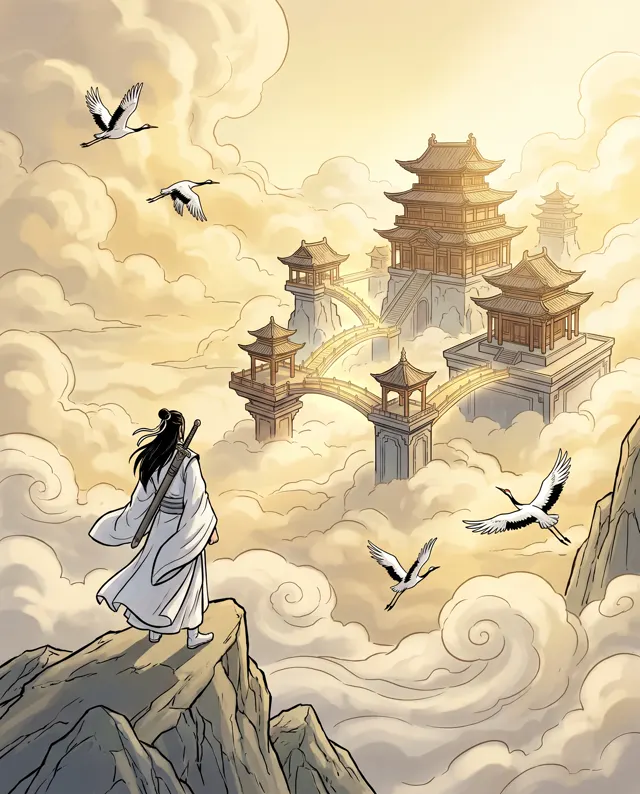
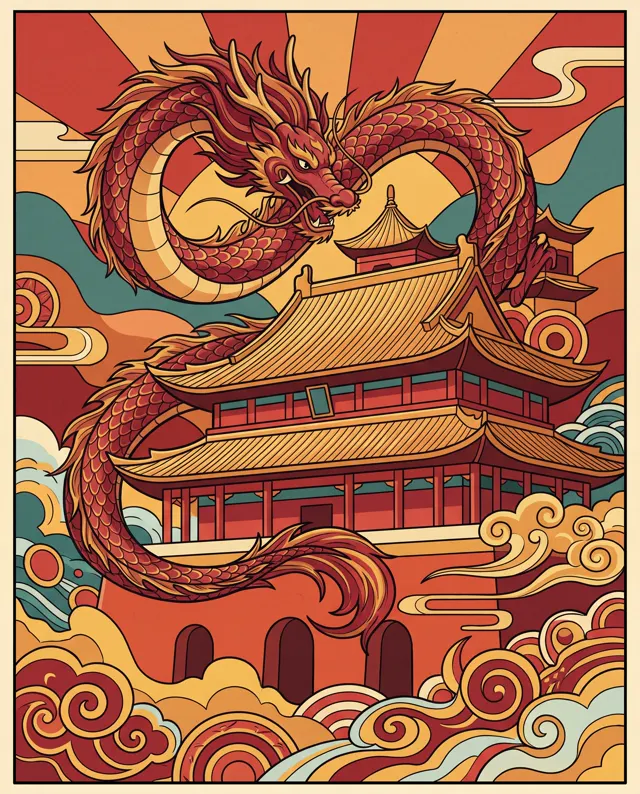
Images we made in a similar style
These are new AI images, not the originals. Open one to see its full prompt and make your own.
How to Generate a Blue-Green Landscape
- 1
Copy a prompt
Choose one of the blue-green landscape prompts and replace the subject with your own scene, product or place. Keep "azurite and malachite", "ink outlines" and "ochre underlayer".
- 2
Pick the frame
A wide frame is closest to a handscroll and works for desktop wallpapers and banners; a tall frame suits phone wallpapers and hanging-scroll layouts.
- 3
Tune the result
If the colors look synthetic, add "mineral pigments, matte, aged silk". If the outlines fade, add "fine ink outlines". For a richer finish, add "gold outlines", the traditional gold-and-green variant.
Where the Blue-Green Landscape Comes From
The blue-green landscape had taken shape by the Tang dynasty. Li Sixun and his son Li Zhaodao were famous for richly colored mountain scenes, and later writers treated them as the founders of the manner. Painters outlined the forms in ink and then applied mineral color in layers; when gold was added along the contours, the result was called a gold-and-green landscape.
The best-known surviving blue-green landscape is Wang Ximeng's long handscroll "A Thousand Li of Rivers and Mountains" (1113) in the Palace Museum, Beijing, painted at the Northern Song court. In the Southern Song, the brothers Zhao Boju and Zhao Bosu kept the tradition going. In the late Ming, Dong Qichang's theory of Northern and Southern schools placed the Li Sixun lineage in the Northern school, and many scholar-painters came to favor ink instead. Even so, the blue-green landscape never disappeared from court and decorative art, and today it is one of the most recognizable sources for Chinese-inspired design.
Blue-Green Landscape FAQ
Is it legal to create AI images in the blue-green landscape style?
Yes. The Song painting on this page is in the public domain, and no one can own a painting style. Don't present a generated image as a genuine antique scroll. Images made on a paid plan can be used commercially.
How do I keep a blue-green landscape from looking garish?
Describe the materials: "azurite and malachite mineral pigments, matte, ochre underlayer, aged silk". Leave out words like "vibrant" or "neon". A few bands of white cloud or empty sky also help the blue-green landscape look calm rather than loud.
Can I turn my own travel photo into a blue-green landscape?
Yes. Upload the photo as a reference image in the studio and add the style cues, for example "blue-green landscape painting, mineral blue and green, fine ink outlines". The mountains and composition of your photo are kept while the surface becomes heavy mineral color.
Is a gold-and-green landscape the same thing?
It is a variant of the blue-green landscape that adds gold along the outlines for a more opulent finish. To get it, add "gold outlines" to any prompt on this page.
More AI art styles
Van Gogh Style
Swirling strokes, thick paint, intense blues and yellows
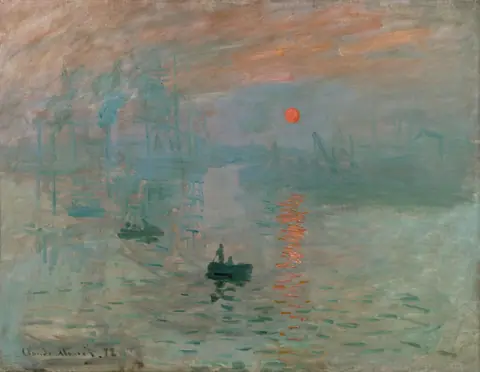
Monet Style
Broken brushwork that catches light, soft color, reflections on water
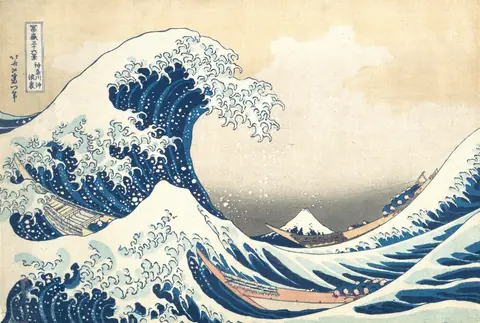
Ukiyo-e Style
Flat woodblock color, crisp outlines and Prussian blue
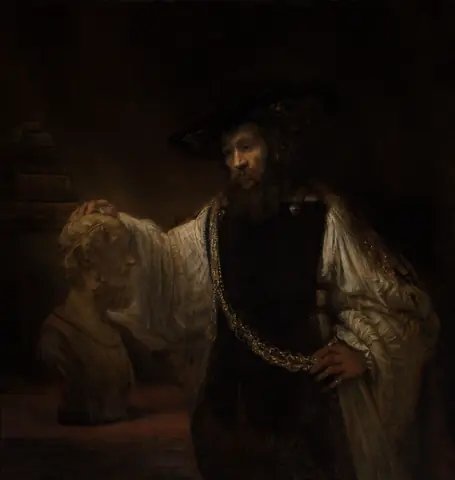
Rembrandt Lighting
One side light in a dark room and a triangle of light on the cheek
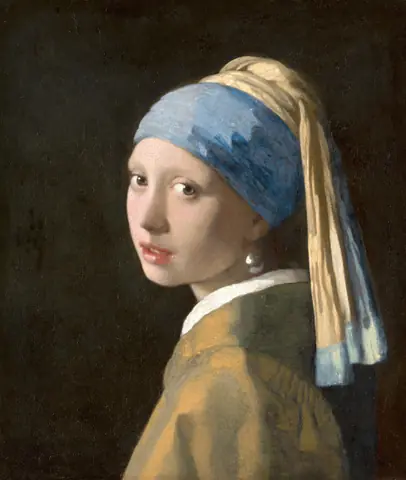
Vermeer Style
Soft window light, quiet interiors and pearl-like highlights
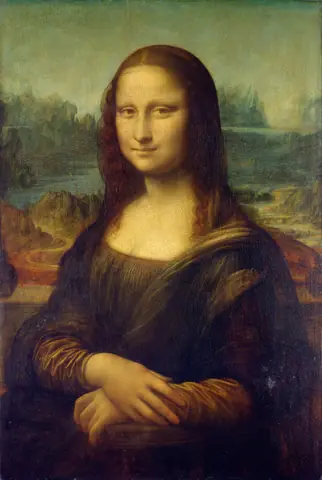
Renaissance Painting Style
Sfumato softness, balanced composition and classical figures
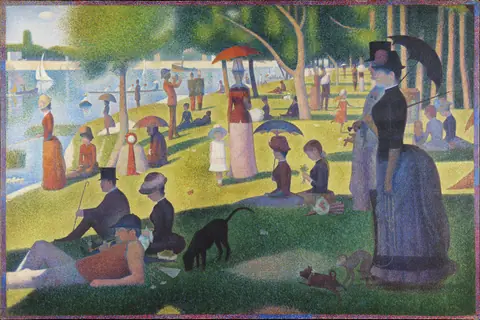
Pointillism
Images built from tiny dots of pure color that blend at a distance
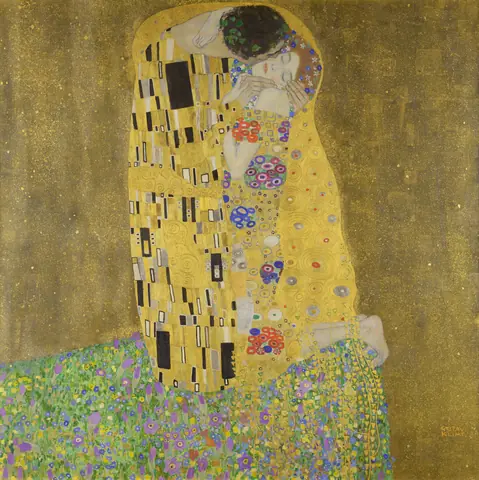
Klimt Style
Gold leaf, ornamental patterns and flattened, opulent figures
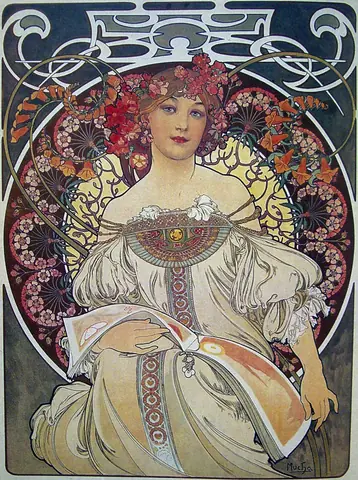
Mucha Style
Art Nouveau curves, halo circles and floral ornamental frames
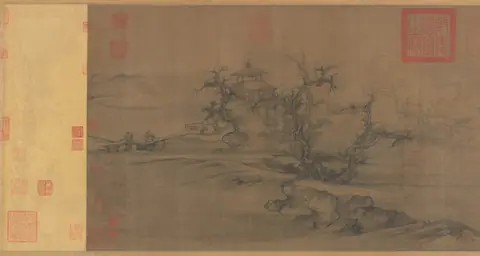
Chinese Landscape Painting
Ink texture strokes, layered distance and generous empty space
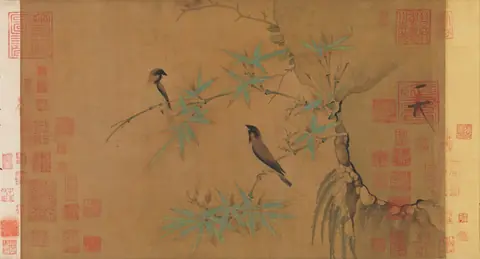
Gongbi Bird-and-Flower Painting
Hair-fine line work, layered washes and the feel of silk
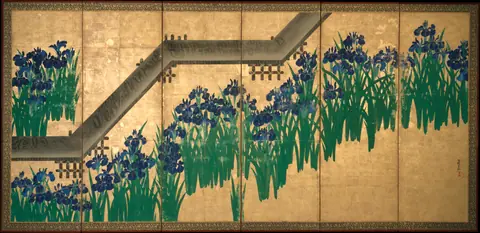
Rinpa Style
Gold-leaf grounds, bold flat shapes and repeated motifs
Blue-Green Landscape pricing: pay per image, no subscription
Taster pack · 15 HD images
150 credits that never expire. No subscription, one per account.