
Rinpa AI Art: Bold Flat Color on Gold Leaf
Two folding screens by Ogata Kōrin at The Met show how Rinpa turns irises and waves into pattern. Learn the traits, then paste a ready-made Rinpa prompt into the studio.
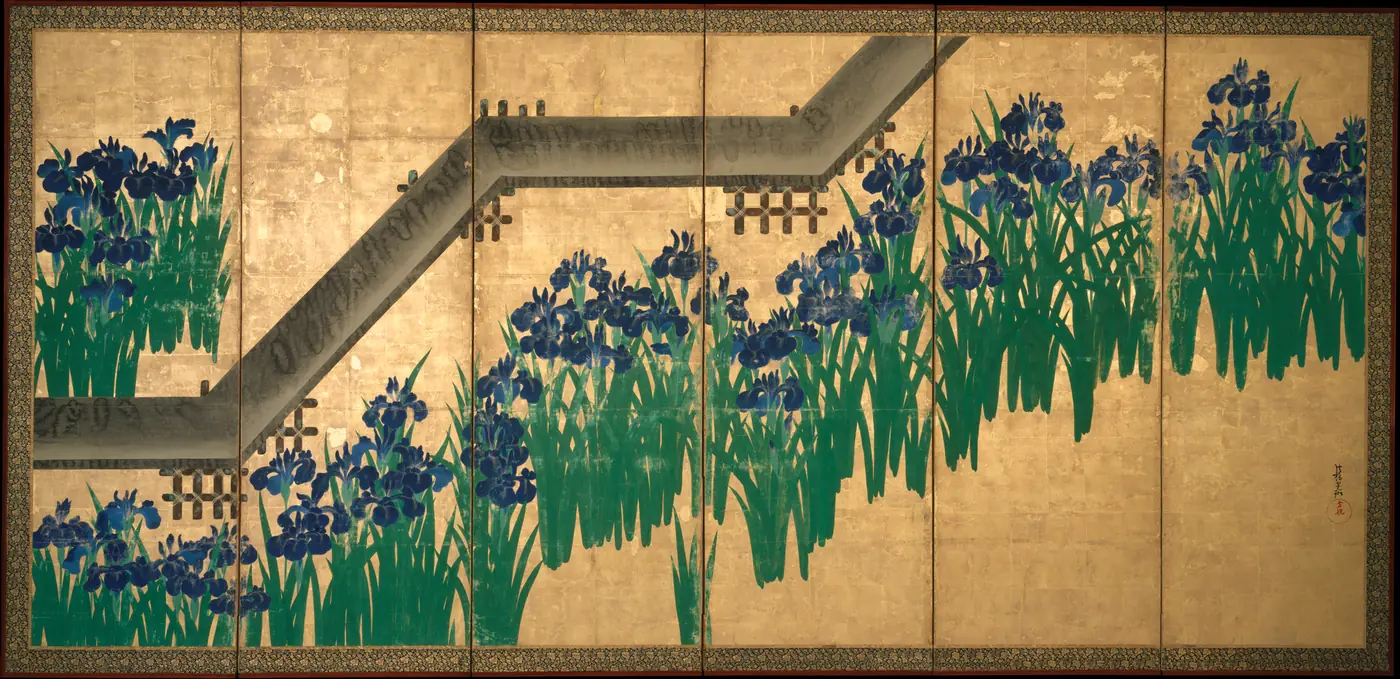
Irises at Yatsuhashi (Eight Bridges) · Ogata Kōrin · after 1709
Public-domain original · CC0 public domain · The Metropolitan Museum of Art, Purchase, Louisa Eldridge McBurney Gift, 1953 · Source
What Is Rinpa?
Rinpa is a Japanese tradition of decorative painting and design that runs from early 17th-century Kyoto to the 19th century. Rinpa artists worked on folding screens, fans, lacquer boxes, ceramics and textiles. The typical Rinpa picture sits on a ground of gold or silver leaf, uses broad areas of flat color for flowers, streams and waves, and ignores shading and perspective in favor of rhythm and pattern.
That combination still looks fresh, which is why Rinpa works so well for wallpapers, posters, packaging and greeting cards. When you ask an AI generator for it, the risk is a realistic scene with a yellow tint instead of real gold-leaf flatness. The fix is to name the gold ground, the flat shapes and the repetition. This page shows two Rinpa originals, explains what to look for, and gives prompts with those cues already written in.
Rinpa Originals by Ogata Kōrin
Every painting on this page is in the public domain; the images come from museum open-access collections (CC0) or Wikimedia Commons. The AI makes new images in the style, not copies of the originals.
Irises at Yatsuhashi (Eight Bridges) · Ogata Kōrin · after 1709
This pair of six-panel screens sets clusters of irises and a zigzag plank bridge on a gilded ground, the flowers painted in flat blue and green with the same shapes repeating across the panels. The subject comes from the Eight Bridges episode in The Tales of Ise, a classic example of Rinpa turning literature into pattern.
Public-domain original · CC0 public domain · The Metropolitan Museum of Art, Purchase, Louisa Eldridge McBurney Gift, 1953 · Source
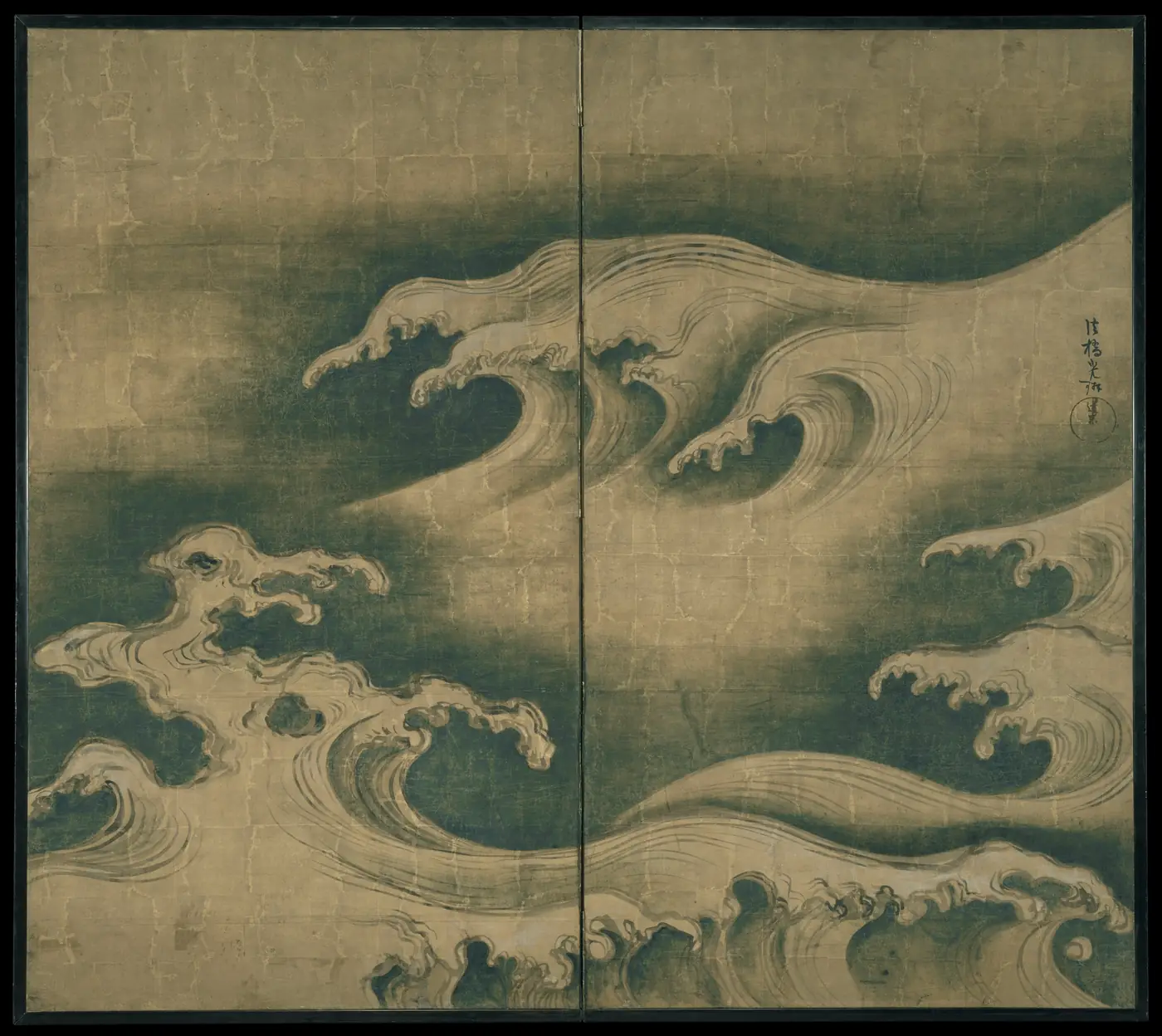
Rough Waves · Ogata Kōrin · ca. 1704–09
Rough Waves shows nothing but curling surf on gold: no boat, no shore, just claw-like crests and rhythmic lines. It is a lesson in how little Rinpa needs to make a strong image.
Public-domain original · CC0 public domain · The Metropolitan Museum of Art, Fletcher Fund, 1926 · Source
Four Traits of Rinpa Style
Gold and silver grounds
The background is covered in gold or silver leaf and the motifs are painted directly on top, so the picture shimmers as the light changes. It is the quickest way to recognize Rinpa, and "gold-leaf background" belongs in every Rinpa prompt.
Flat areas of color
There are no cast shadows and almost no depth. Leaves, water and hills become clean shapes with clear edges, closer to graphic design than to a window onto a scene.
Repeated motifs
The same flower, wave or grass blade repeats at a steady beat, like a pattern on a kimono or a lacquer box. Ask for "repeated motifs" or "rhythmic pattern" to get it.
Pooled ink and color
Rinpa painters dropped a second color into a wash that was still wet, a technique called tarashikomi, which leaves soft, mottled pools. It appears on tree trunks and moss and sets off the flat areas around it.
Rinpa Prompts You Can Copy
Copy any Rinpa prompt and replace the subject to get the same gold-ground decorative look.
Cat on a screen
Rinpa style painting of a black cat sitting on a gold-leaf background, surrounded by flat purple irises and green leaves repeated in a steady rhythm, no shadows, six-panel folding screen composition, highly decorative
Desktop wallpaper
Wide Rinpa style seascape, deep blue waves curling into claw-like crests on a gold-leaf background, rhythmic repeated lines, flat areas of color, no perspective, clean decorative design in the manner of Ogata Kōrin
New Year poster
Rinpa style New Year poster, red and white plum branches beside a stylized stream pattern on a gold ground, broad flat color, tree trunks with pooled tarashikomi ink, clear space at the top for a title
Product still life
A white porcelain teacup in front of a Rinpa style backdrop, flat autumn grasses and a full moon on gold leaf, simple color shapes, soft even lighting, product centered, packaging illustration look
How to Generate a Rinpa Image
- 1
Copy a prompt
Choose one of the Rinpa prompts and replace the subject with your pet, product or seasonal theme. Keep "gold-leaf background", "flat color" and "repeated motifs".
- 2
Pick the frame
A wide frame is closest to a folding screen and suits desktop wallpapers and banners; a tall frame suits phone wallpapers and hanging-scroll layouts.
- 3
Tune the result
If the picture looks too realistic, add "no shadows, flat graphic shapes". If the gold is weak, add "full gold-leaf ground". If it feels busy, remove a motif; Rinpa is strongest with few elements.
A Short History of Rinpa: From Kyoto to Edo
Rinpa began in Kyoto in the early 1600s, when the calligrapher and craftsman Hon'ami Kōetsu worked with the painter Tawaraya Sōtatsu on poem scrolls, books and designs. Sōtatsu's Wind God and Thunder God screens set the pattern of bold figures on a gold ground. About a century later, Ogata Kōrin (1658–1716) took up Sōtatsu's manner and refined it; the name Rinpa, meaning "school of Rin", comes from the second character of Kōrin's name and came into wide use only in modern times. Kōrin painted the irises theme more than once; the screens at the Nezu Museum in Tokyo show the flowers without the bridge.
In the early 19th century Sakai Hōitsu revived Kōrin's style in Edo (Tokyo), so Rinpa carried on into the modern era. Rinpa was never a workshop passed from master to pupil; each generation discovered an earlier one through its paintings and chose to follow it. Its flat, patterned design has shaped Japanese textiles, lacquer and graphic design ever since.
Rinpa AI Art FAQ
Is it legal to make AI images in the Rinpa style?
Yes. Kōrin's screens are centuries old and in the public domain, and a style like Rinpa can't be owned. Just don't present a generated image as a genuine Kōrin. Images made on a paid plan can be used commercially.
How do I get real Rinpa gold in a prompt?
Write "gold-leaf background, flat color, no shadows, repeated motifs" and mention a folding-screen or wide composition. Leave out "realistic lighting", "3D" or "photographic", which pull the image away from Rinpa flatness.
Can I turn my own photo into Rinpa style?
Yes. Upload the photo as a reference image in the studio and add "Rinpa style, gold-leaf background, broad flat color, decorative pattern". The outline of your subject is kept while the rendering becomes flat Rinpa color on gold.
How is Rinpa different from ukiyo-e?
Ukiyo-e is best known as woodblock prints made for a wide city audience. Rinpa works are mostly hand-painted screens, fans and crafts, known for gold grounds and decorative layouts. Both flatten space, but Rinpa is more luxurious and more pattern-driven.
More AI art styles
Van Gogh Style
Swirling strokes, thick paint, intense blues and yellows
Monet Style
Broken brushwork that catches light, soft color, reflections on water
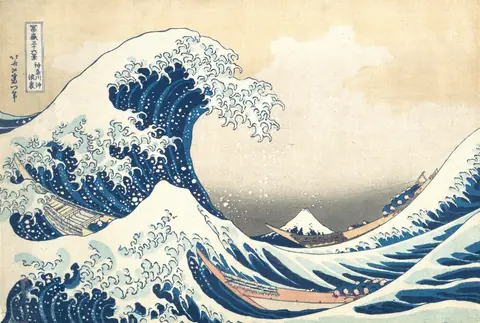
Ukiyo-e Style
Flat woodblock color, crisp outlines and Prussian blue
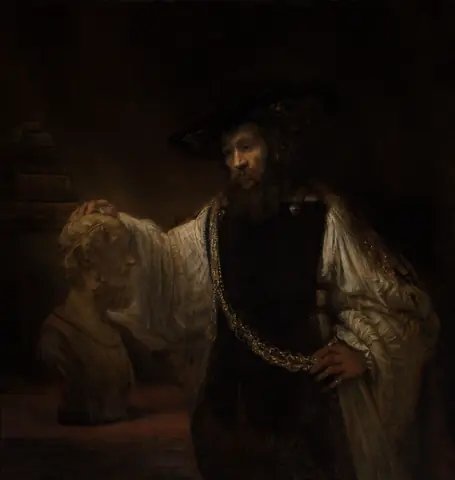
Rembrandt Lighting
One side light in a dark room and a triangle of light on the cheek
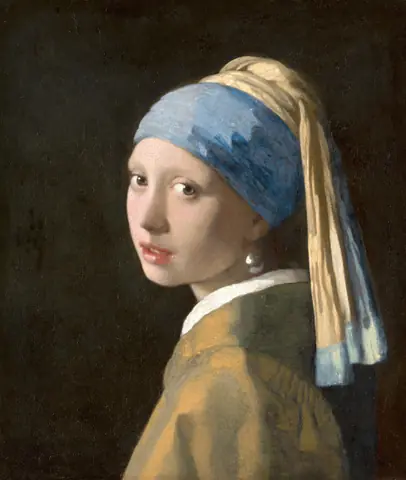
Vermeer Style
Soft window light, quiet interiors and pearl-like highlights
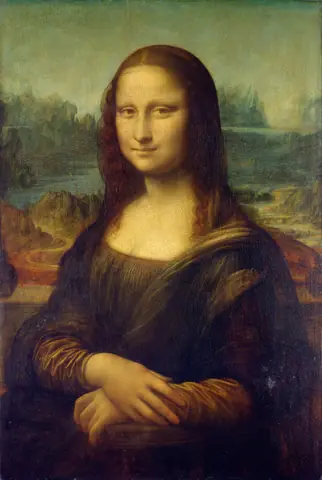
Renaissance Painting Style
Sfumato softness, balanced composition and classical figures
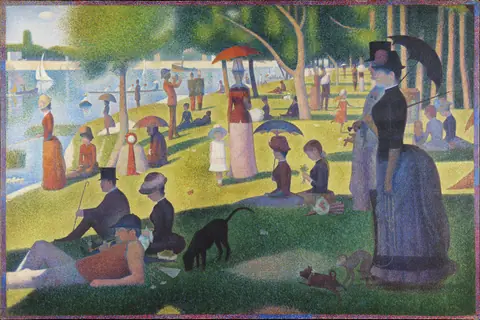
Pointillism
Images built from tiny dots of pure color that blend at a distance
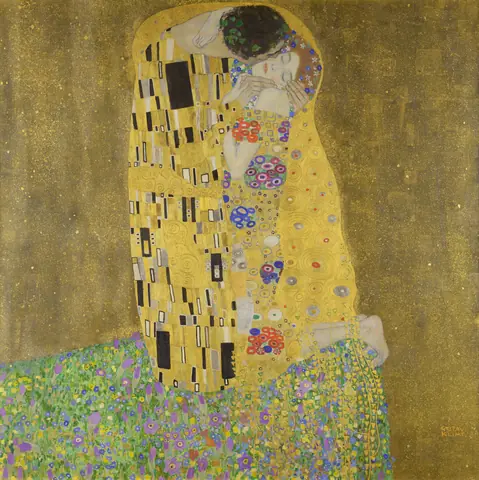
Klimt Style
Gold leaf, ornamental patterns and flattened, opulent figures
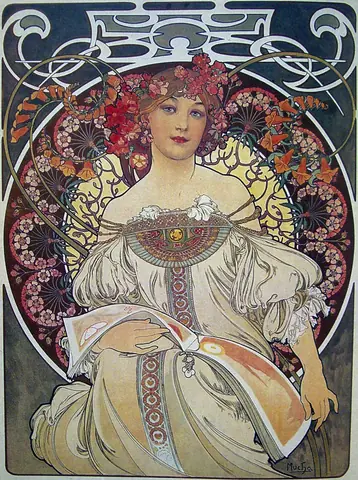
Mucha Style
Art Nouveau curves, halo circles and floral ornamental frames
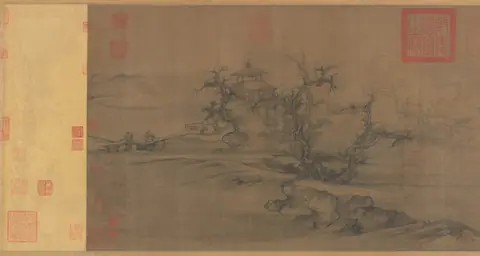
Chinese Landscape Painting
Ink texture strokes, layered distance and generous empty space
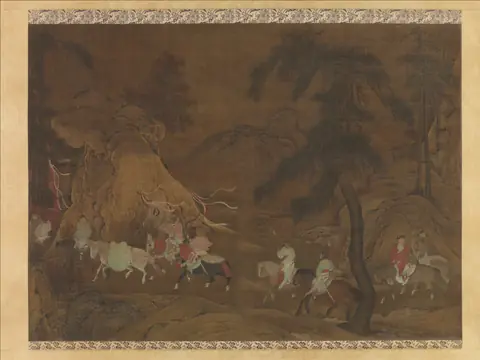
Blue-Green Landscape
Mineral blues and greens over gold-outlined, stacked peaks
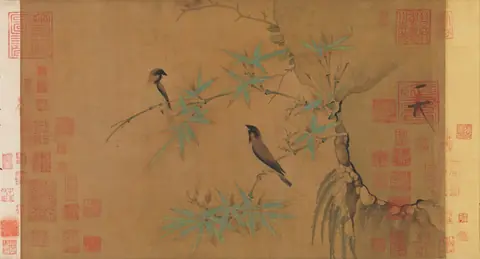
Gongbi Bird-and-Flower Painting
Hair-fine line work, layered washes and the feel of silk
Rinpa Style pricing: pay per image, no subscription
Taster pack · 15 HD images
150 credits that never expire. No subscription, one per account.