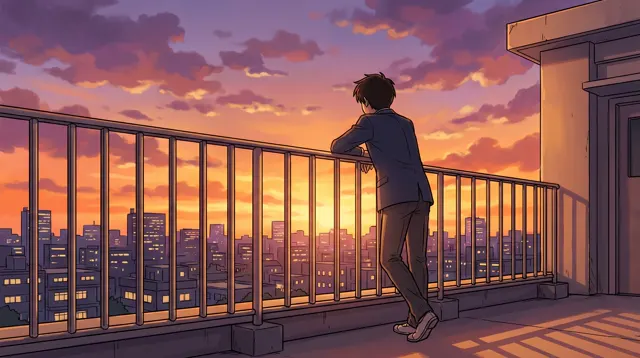
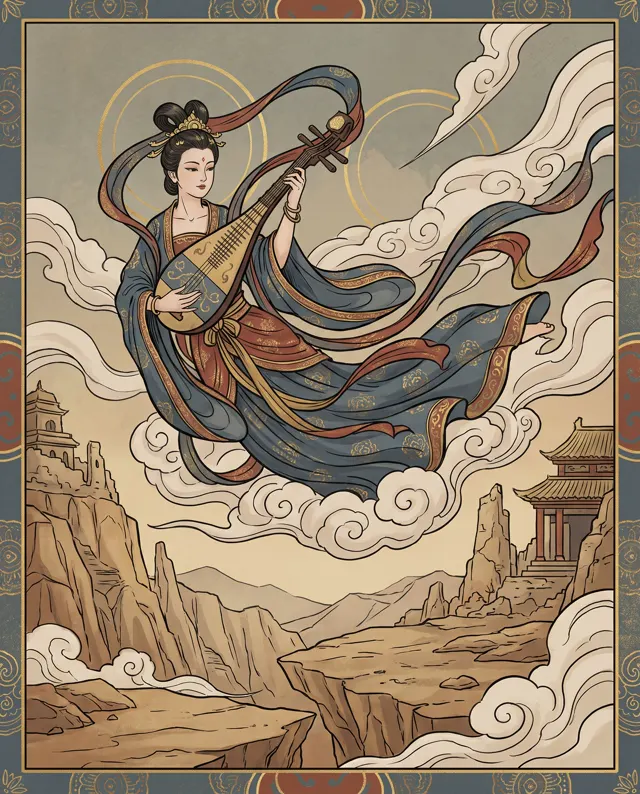
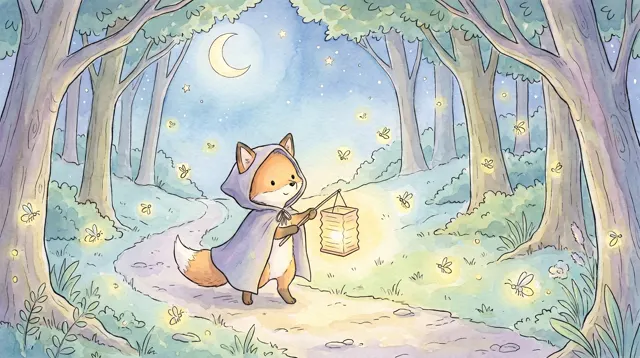
AI art styles fall into three families: photographic (Photoreal, Cinematic, Product), painterly (Anime, 3D Cartoon, Watercolor, Chinese Ink, Fantasy, Cyberpunk) and graphic (Flat, Pixel Art, Liquid Gradient). Choose the family by use case first, then the specific style.
Two layers: image type and style preset
On this site, the look of an image is set by two choices.
The image type sets the basic medium:
- Photo — photographic. It occasionally returns a moody black-and-white editorial look, so name colors when color matters.
- Scene — rich painterly illustration that faithfully follows anime, 3D, watercolor and ink briefs.
- Illustration — flat vector art with clean shapes and solid color; it flattens painterly briefs.
- Abstract — shapes, color and texture with no specific subject.
The style preset — 12 in all — is tied to a suitable type and appends a style description automatically. Once you pick one, leave style words out of the prompt.
| Preset | Type | What it looks like | Best for | Example |
|---|---|---|---|---|
| Photoreal | Photo | Natural light, true color, sharp detail | Food, lifestyle, travel | Night-market ramen |
| Cinematic | Photo | Dramatic light, shallow focus, graded color | Portraits, posters, covers | Tokyo neon |
| Product | Photo | Soft studio light, clean composition | Listings, product posts | Perfume on marble |
| Anime | Scene | Clean lines, bright color, detailed backgrounds | Avatars, wallpapers, characters | Cherry blossom girl |
| 3D Cartoon | Scene | Rounded shapes, glossy finish, cute | Mascots, stickers, emoji | Corgi astronaut |
| Watercolor | Scene | Soft washes, paper texture, pastels | Picture books, blog art | Cat café |
| Chinese Ink | Scene | Ink gradations, generous empty space | Chinese-style posters, wallpapers | Ink cranes |
| Fantasy | Scene | Epic scale, volumetric light, rich detail | Games, book covers, wallpapers | Floating islands |
| Cyberpunk | Scene | Neon, rain, future cities | Wallpapers, streetwear posters | Rain city |
| Flat | Illustration | Simple shapes, limited palette | Website heroes, article headers | Remote work |
| Pixel Art | Illustration | 16-bit retro game look | Game assets, nostalgia | Harbor town |
| Liquid Gradient | Abstract | Flowing color, fine grain | Phone wallpapers, brand backdrops | Liquid gradient |
Photographic: Photoreal, Cinematic, Product
The difference between the three is mostly light:
- Photoreal aims for what-you-see-is-what-you-get: natural light, honest color. Use it for food, travel and lifestyle.
- Cinematic creates dramatic light, shallow depth of field and a graded palette, like a film still. Use it for portraits and posters.
- Product imitates a studio: soft light, clean backgrounds, crisp materials. See our AI product photo workflow.
With photographic styles, spend your prompt on light and camera — time of day, light direction, shot size, angle. Our prompt formula covers this in detail.
Painterly: Anime, 3D Cartoon, Watercolor, Chinese Ink, Fantasy, Cyberpunk
3D Cartoon: the mascot maker
Rounded forms, glossy materials and soft global light make 3D Cartoon instantly likable. It is ideal for anthropomorphic animals, brand mascots, emoji and stickers.
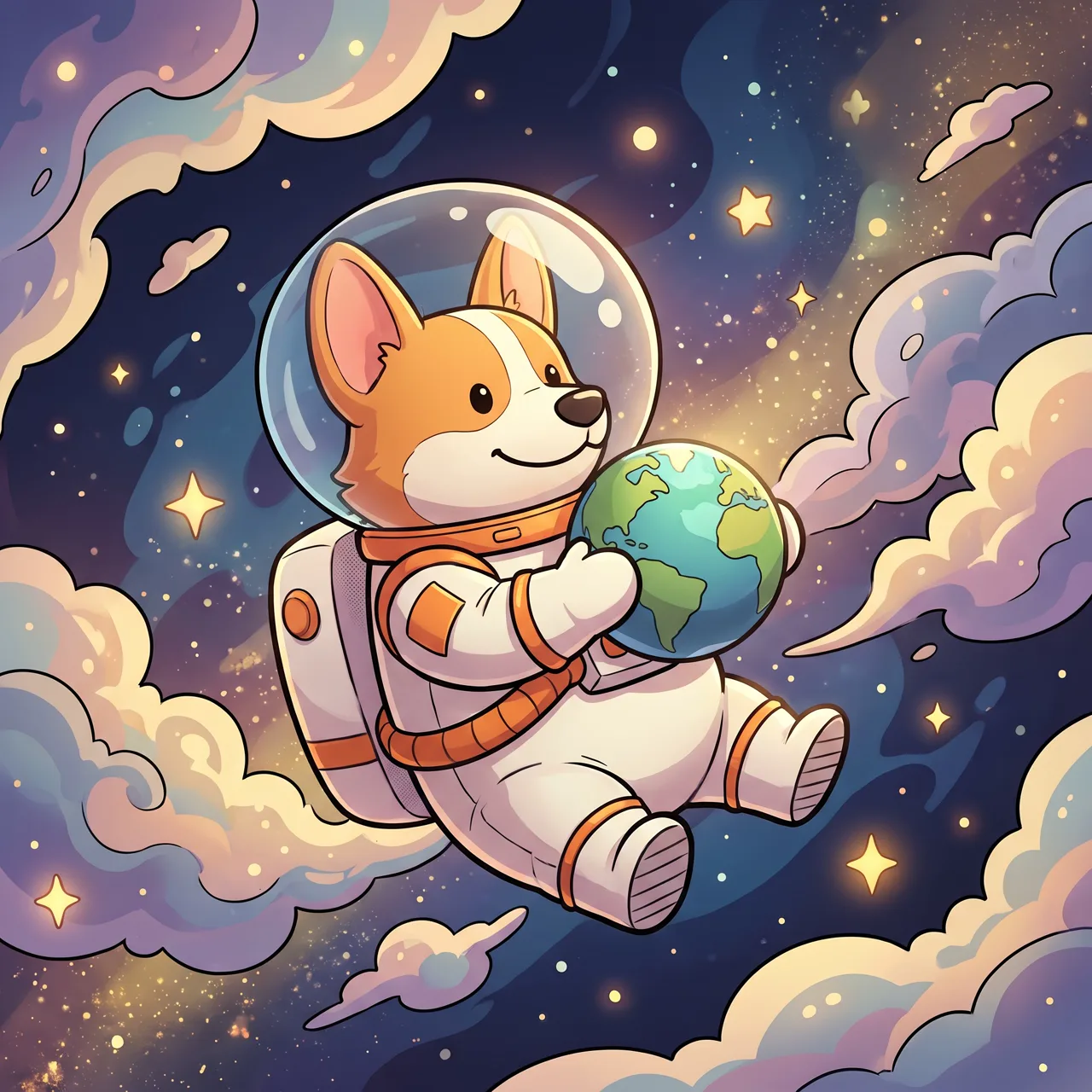
Prompt idea: a cute corgi astronaut floating in space holding a tiny planet, stars and nebula, 3D Cartoon.
To reuse one character across a series, design it with text-to-image, then upload it as a reference in image-to-image for each new scene.
Watercolor: gentle storybook charm
Watercolor brings soft, bleeding edges, visible paper grain and low-saturation pastels — right for picture books, blog illustrations and greeting cards.
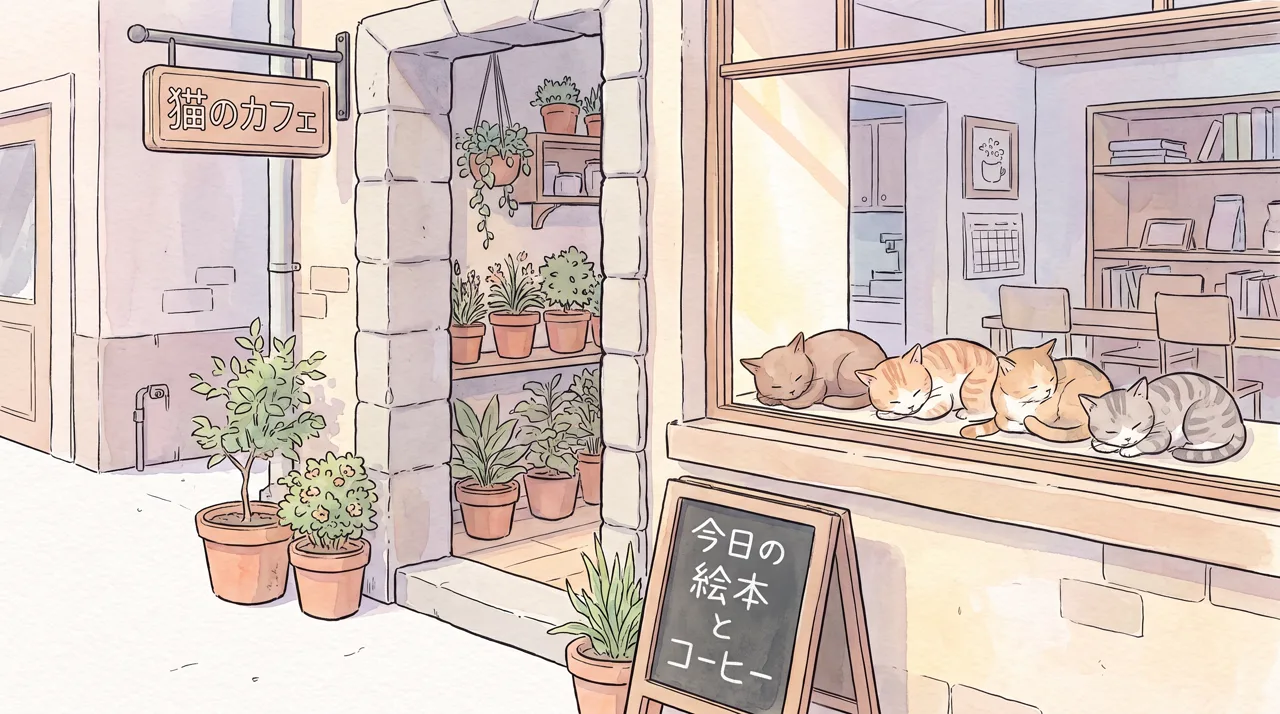
Prompt idea: a little cat café on a street corner, cats on the windowsill, plants by the door, picture-book style, Watercolor.
The shop signs in this image were added by the engine itself. For commercial use, verify any text in an image or replace it afterward.
Anime, Chinese Ink, Fantasy, Cyberpunk
- Anime: clean lines, bright color — the default for avatars, wallpapers and character design. See our anime art guide.
- Chinese Ink: ink gradations and empty space. For Dunhuang, gongbi and more, see Chinese-style prompts.
- Fantasy: epic scenery, volumetric light, dense detail — game concept art and novel covers.
- Cyberpunk: neon, rain and future cities in teal and magenta — wallpapers and streetwear posters.
Graphic: Flat, Pixel Art, Liquid Gradient
Graphic styles share a designed feel: clean shapes and limited color, which leave room for type.
- Flat: website heroes, article headers and event banners that don’t compete with text.
- Pixel Art: 16-bit nostalgia for game assets, retro themes and quirky avatars.
- Liquid Gradient: no subject, colors of your choosing — phone wallpapers and brand backdrops.
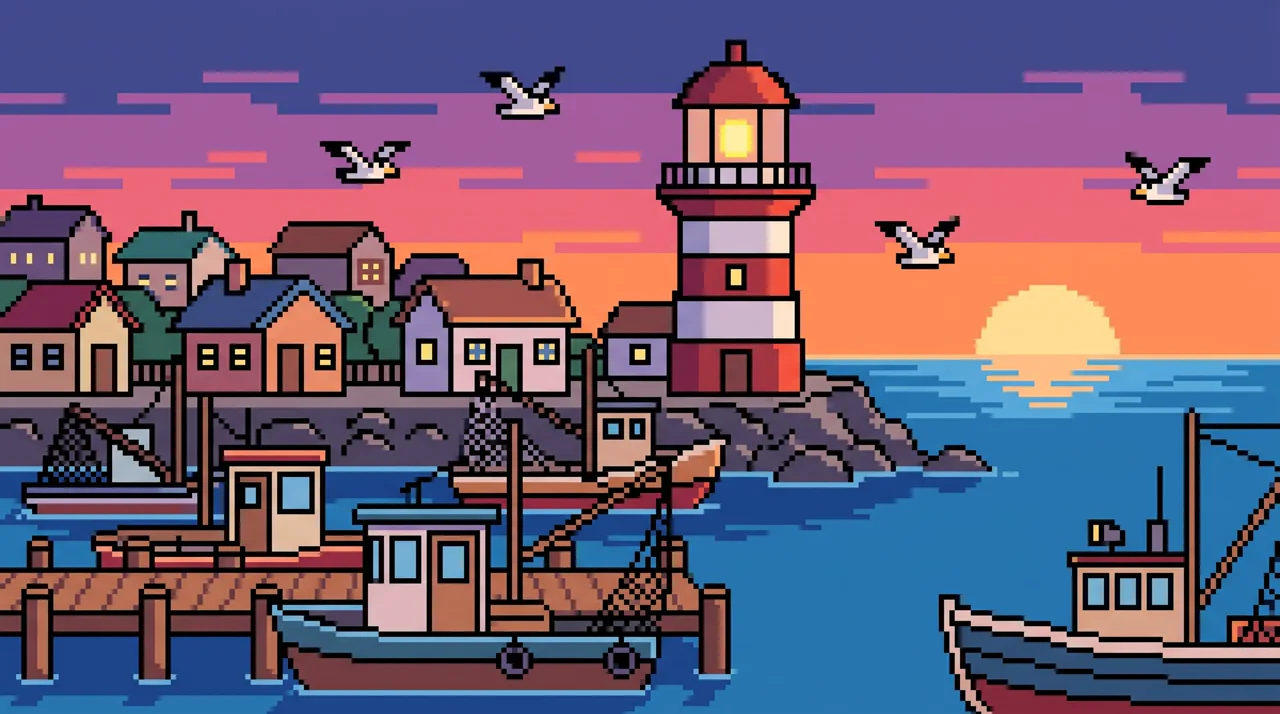
Prompt idea: a peaceful seaside harbor town at sunset with fishing boats, a lighthouse and seagulls, Pixel Art, 16:9.
Pick a style by use case
| Use case | First choice | Alternatives |
|---|---|---|
| Product listings and posts | Product | Photoreal |
| Poster key visuals | Cinematic | Cyberpunk, Fantasy |
| Mascots, stickers | 3D Cartoon | Anime |
| Picture books, kids’ content | Watercolor | 3D Cartoon |
| Website heroes, headers | Flat | Liquid Gradient |
| Phone and desktop wallpapers | Fantasy, Cyberpunk | Chinese Ink, Liquid Gradient |
| Seasonal and Chinese-themed material | Chinese Ink | Flat |
| Games and retro themes | Pixel Art | Fantasy |
Beyond the presets: describe your own style
The presets cover most needs. For anything else, skip the preset and describe the style in the prompt:
- Media: impasto oil painting, colored pencil, linocut print, paper cut, claymation
- Eras: 1990s film snapshot, vintage travel poster, old postcard
- Materials: felt, ceramic, glass, origami
Two cautions. Painterly media work best with the Scene type; the Illustration type will flatten them. And describe styles rather than naming living artists — our guide to commercial use of AI images explains why.
Mixing styles: one lead, one accent
When blending, decide which style leads: “a 3D cartoon character lit by cyberpunk neon” works far better than “3D cartoon plus cyberpunk”. Stack three or more styles and the result usually resembles none of them.
Every style above has sample images and prompts in the prompt library. Pick one you like, then swap in your own subject in the AI illustration generator.