AI food images shine as mood shots, menu backgrounds, posters and blog covers. Dish photos on delivery apps must match what customers receive, so shoot the real plate or restage a real photo with image-to-image and check it. In every prompt, describe the dish’s state, the tableware, the light and the angle.
First: which food images suit AI?
One question decides it: will a customer read this picture as “the plate I’ll get”? If yes, reality sets the rules. If no, AI can roam freely.
| Use | AI? | Recommended approach | Ratio |
|---|---|---|---|
| Delivery-app dish photo | With care | Real photo first; image-to-image only to change backdrop and light, then verify | 1:1 |
| Dish photos on the menu | With care | Same — people order from them | 1:1 or 4:5 |
| Menu cover, section backgrounds | Yes | Text-to-image for ingredients, texture, mood | 4:5 or 16:9 |
| In-store posters, promos | Yes | Text-to-image key visual, text added later | 9:16 or 4:5 |
| Food blog or review cover | Mood only, labeled | Real photos in the post; AI for a mood cover | 4:5 |
| Newsletter and brand images | Yes | Text-to-image | 16:9 |
Delivery-app photos: accuracy beats beauty
A dish photo on a delivery or ordering app is a product photo. Platforms generally expect images to reflect what’s actually served, and advertising and consumer-protection rules in most places prohibit misleading food images. A plate that looks far more generous than reality may win a few orders and then cost you in refunds, reviews and platform penalties.
To make real photos look better, use image-to-image:
- Photograph the dish you actually serve in daylight, from above and at 45 degrees, filling at least half the frame.
- Upload one to four references, call it “this bowl of noodles” or “this burger”, and describe only the new surface, backdrop and light:
Place this bowl of beef noodle soup on a dark wooden table, side backlight, warm blurred restaurant lights behind, 45-degree close-up, color photo
- Check every detail. Image-to-image regenerates the whole scene around the subject, so food details can drift — an extra slice of meat, a different garnish, a new bowl pattern. If portion, ingredients or tableware no longer match, don’t use it as the listing photo.
- Use 1:1 with the dish filling about 70% of the frame and no props competing for attention.
The same logic runs through our AI product photo workflow.
Four keys to a good food prompt
1. Describe the state, not just the name
“A bowl of ramen” is a menu item. “A steaming bowl of tonkotsu ramen, a jammy soft-boiled egg, chashu with charred edges, bright green scallions” is a picture. Useful state words: steaming, glossy, sauce clinging, cheese pull, crackling crust, condensation on the glass, silky cream, a fresh cut showing the layers.
2. Tableware and surface set the price point
White porcelain on pale wood says neighborhood noodle shop. Stoneware on linen says home-style bistro. Black slate with brushed cutlery says fine dining. One phrase about the surface sets the whole tone.
3. Light: side backlight adds depth
Flat front light makes food look like plastic. Food photographers lean on side backlight: light from behind and to one side picks out steam, gloss and sauce. Window light, low afternoon sun and warm lanterns work too.
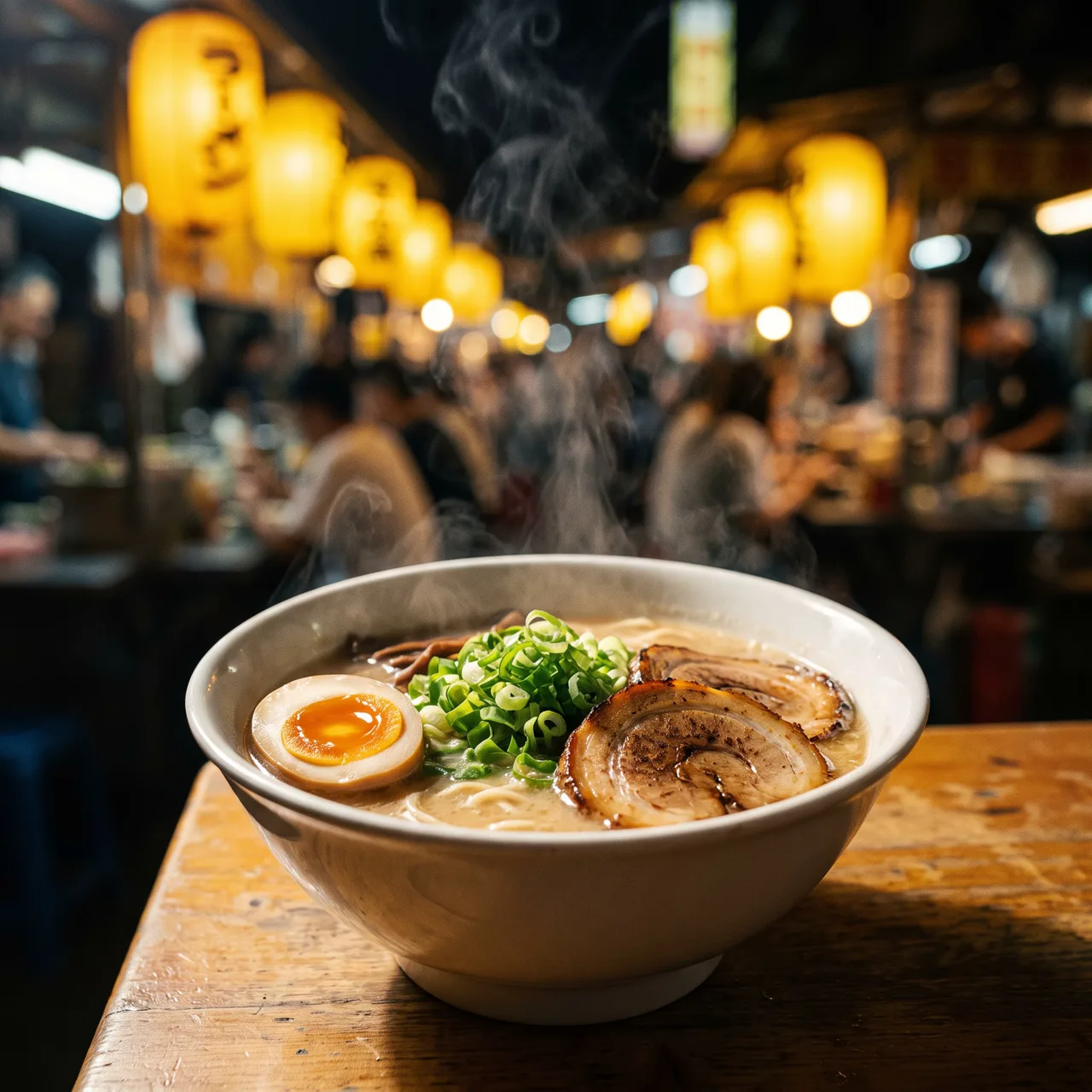
Prompt idea: a steaming bowl of tonkotsu ramen at a night-market stall with a soft-boiled egg, chashu and scallions, warm yellow lanterns blurred in the background.
Steam and lantern bokeh carry the whole mood here — great as a poster or blog-cover base. But if your ramen comes with one slice of chashu, it can’t be your delivery photo.
4. Angle: match the shape of the dish
| Angle | Best for | How to write it |
|---|---|---|
| Overhead | Pizza, platters, a full table, latte art | top-down view, flat lay |
| 45 degrees | Bowls, rice dishes, desserts, salads | 45-degree close-up |
| Eye level | Burgers, layer cakes, drinks, sandwiches | eye-level side view |
| Macro | Sauces, cross-sections, cheese pulls, bubbles | macro close-up, shallow depth of field |
Menus: one set of dishes, one set
The classic menu problem is that every image looks good alone and chaotic together. Fix it by writing one set sentence that every dish shares, and swap only the dish:
Set: on a pale grey terrazzo counter, soft window light from the left, 45-degree angle, clean background, color photo
Dish: a bowl of [dish], [state details], [garnish]
Images made with the same surface, light and angle line up naturally. Drinks and desserts can get a brighter set of their own to mark the section. Since menu photos should still match what’s served, use real photos as references and let image-to-image unify the set.
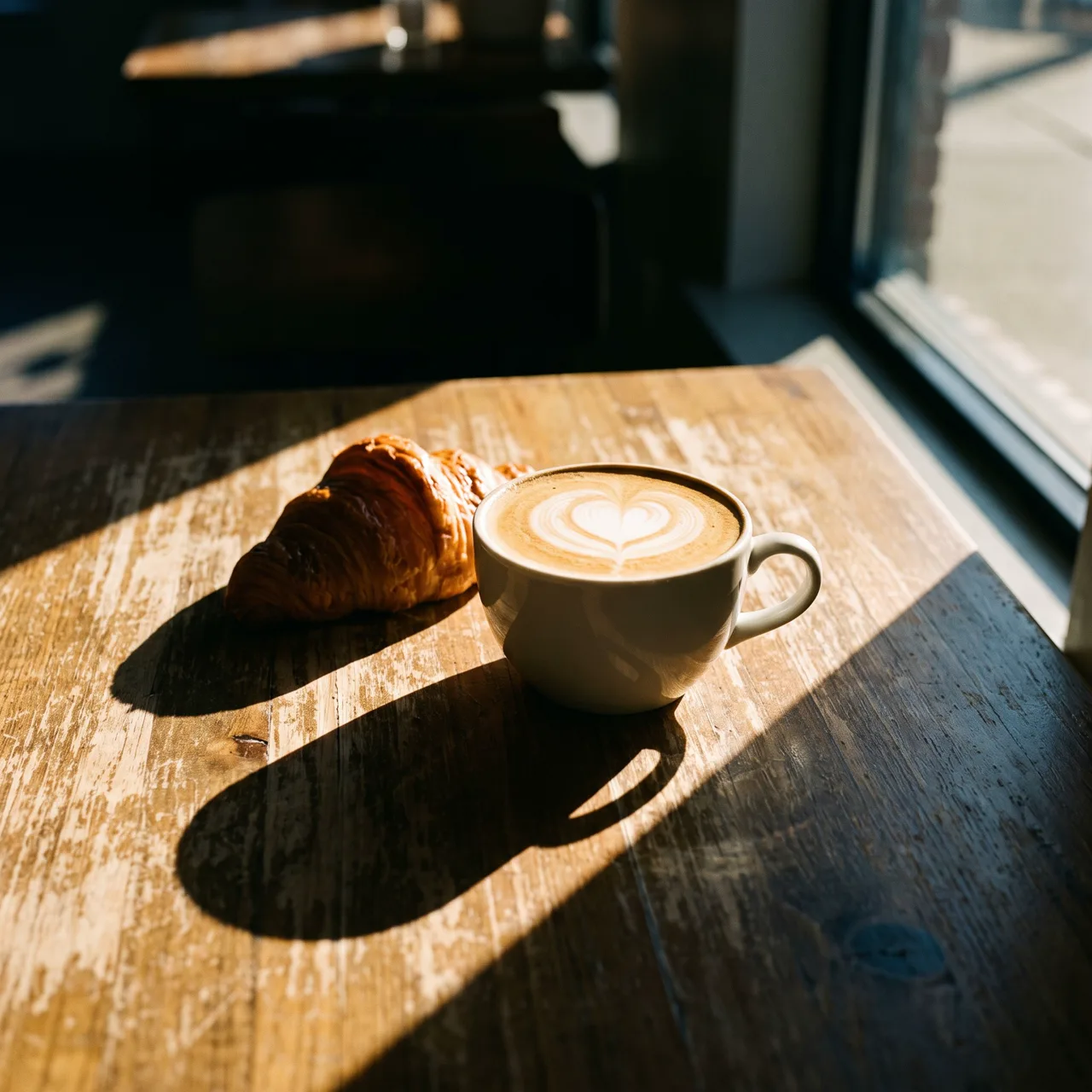
Prompt idea: a latte with heart latte art and a croissant on a café wooden table, warm afternoon window light, color photo.
Food blogs and social media
Reviews live on honesty, so the dish photos in your post should be ones you took. AI images do two jobs well: a mood cover, and “places I want to try” posts that illustrate a craving rather than a specific restaurant.
- Never pass off an AI image as a real dish from a named restaurant.
- Label AI content according to the platform’s rules.
- Use 4:5 for Instagram and Xiaohongshu feeds; our Xiaohongshu cover guide covers vertical framing.
Farm and ingredient stories are a natural fit for AI mood images:
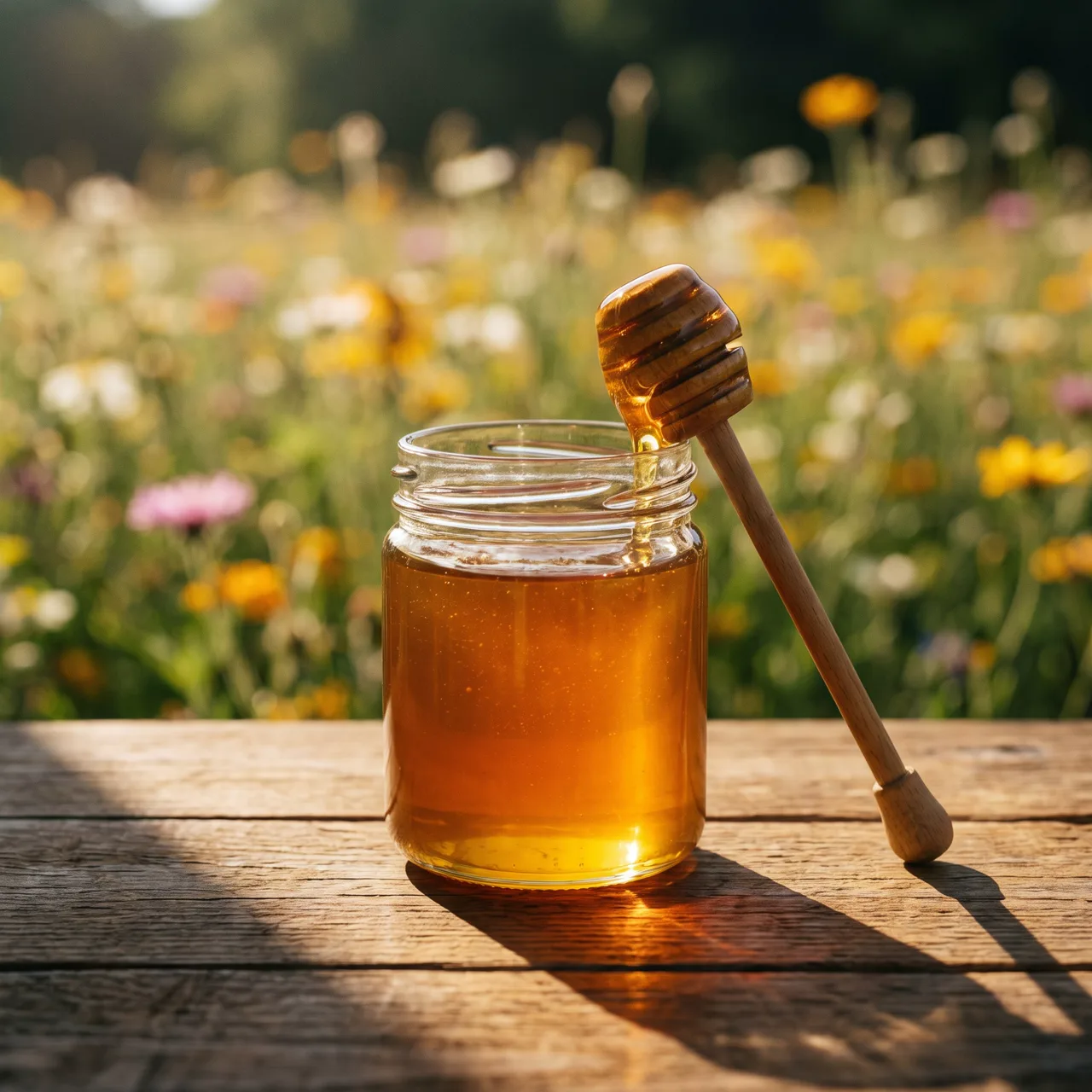
Prompt idea: a jar of golden honey on a wooden table, honey dripping from a dipper, blurred flower field in the background, warm natural light.
Motion details like a drip don’t land every time — sometimes too much, sometimes none — so generate a few and pick.
Copy-and-paste food prompts
Swap in your dish and paste into the AI product photo generator or text-to-image:
1. A steaming bowl of [noodle dish], [topping details], white porcelain bowl, dark wooden table, side backlight, 45-degree close-up, color photo
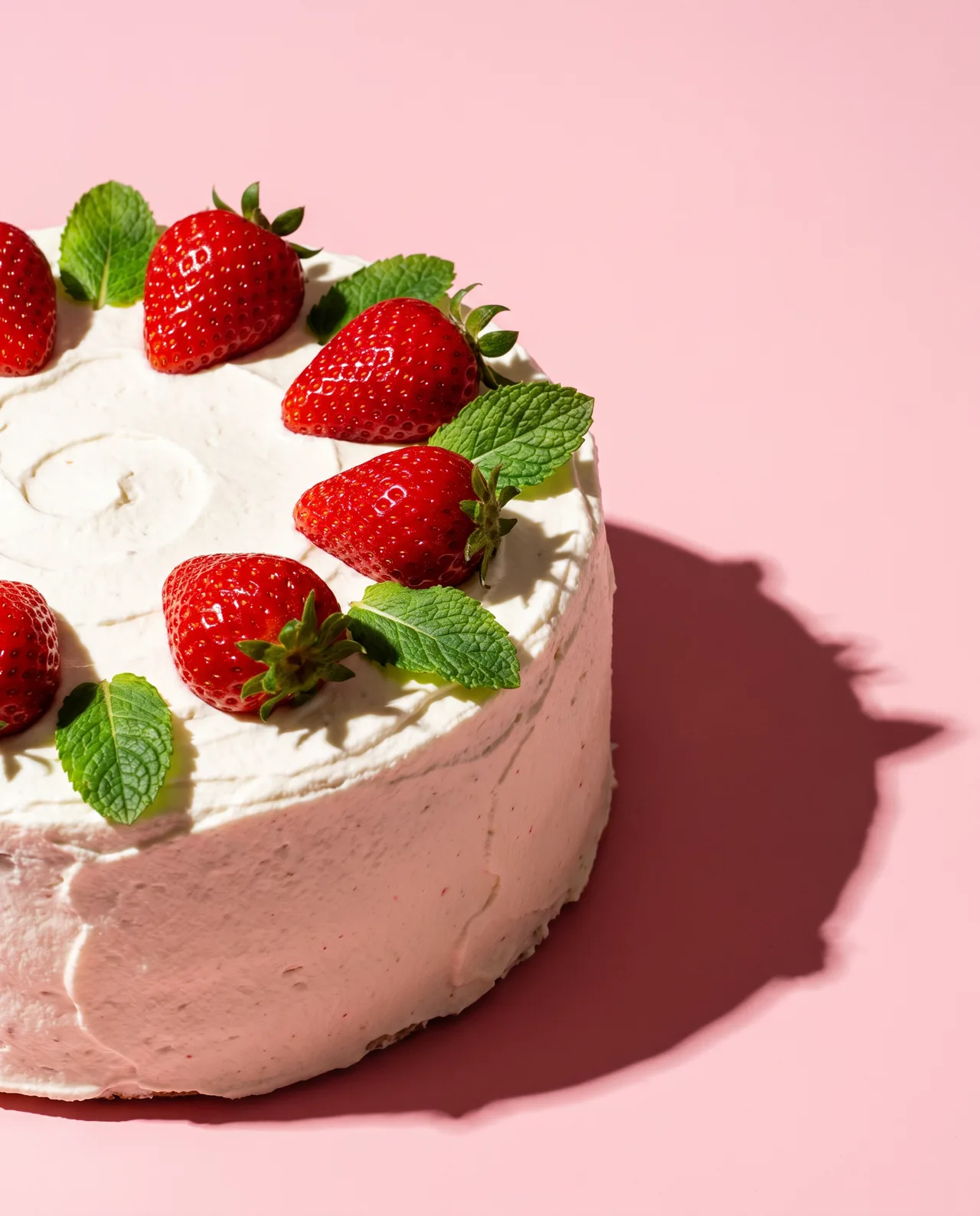
2. Close-up of [dessert] topped with [fruit and garnish], plain [color] background, soft light, dessert-menu style
3. A glass of [drink] with condensation, [ingredients], light marble counter, bright natural light, eye level
4. [Several dishes] covering a round table, family-dinner mood, warm lamplight, top-down, color photo
5. [Street food] at a night-market stall, steam rising, blurred lanterns and crowd behind, warm tones
6. Fresh [ingredients] scattered on [surface] with water droplets, morning light, top-down flat lay, menu cover
7. Seasonal [drink or dessert] surrounded by [seasonal elements], space at the top for a title
8. Place this [dish] on [new surface], [lighting], blurred background, color photo (image-to-image)
For festival or launch posters, see festival marketing images and the food festival poster prompt. The prompt library has more, like the night-market ramen.
Common failures and fixes
- Black-and-white result: the photo type occasionally goes monochrome — add “color photo.”
- Plastic or waxy food: add gloss, steam, sauce and charred edges; switch to side backlight.
- Cartoonish steam: change “steaming” to “a faint wisp of steam.”
- Odd chopsticks, spoons or hands: leave hands out; write “chopsticks resting beside the bowl.”
- Garbled text: add dish names, prices and shop names later, and keep other brands’ logos out. See our commercial use guide.
Each image costs 10 credits on the standard model or 4–8 on the others and takes about 30 seconds; make two to four and keep the best. Head to the studio when you’re ready.